Student Wellbeing & Support | Study Abroad – UK
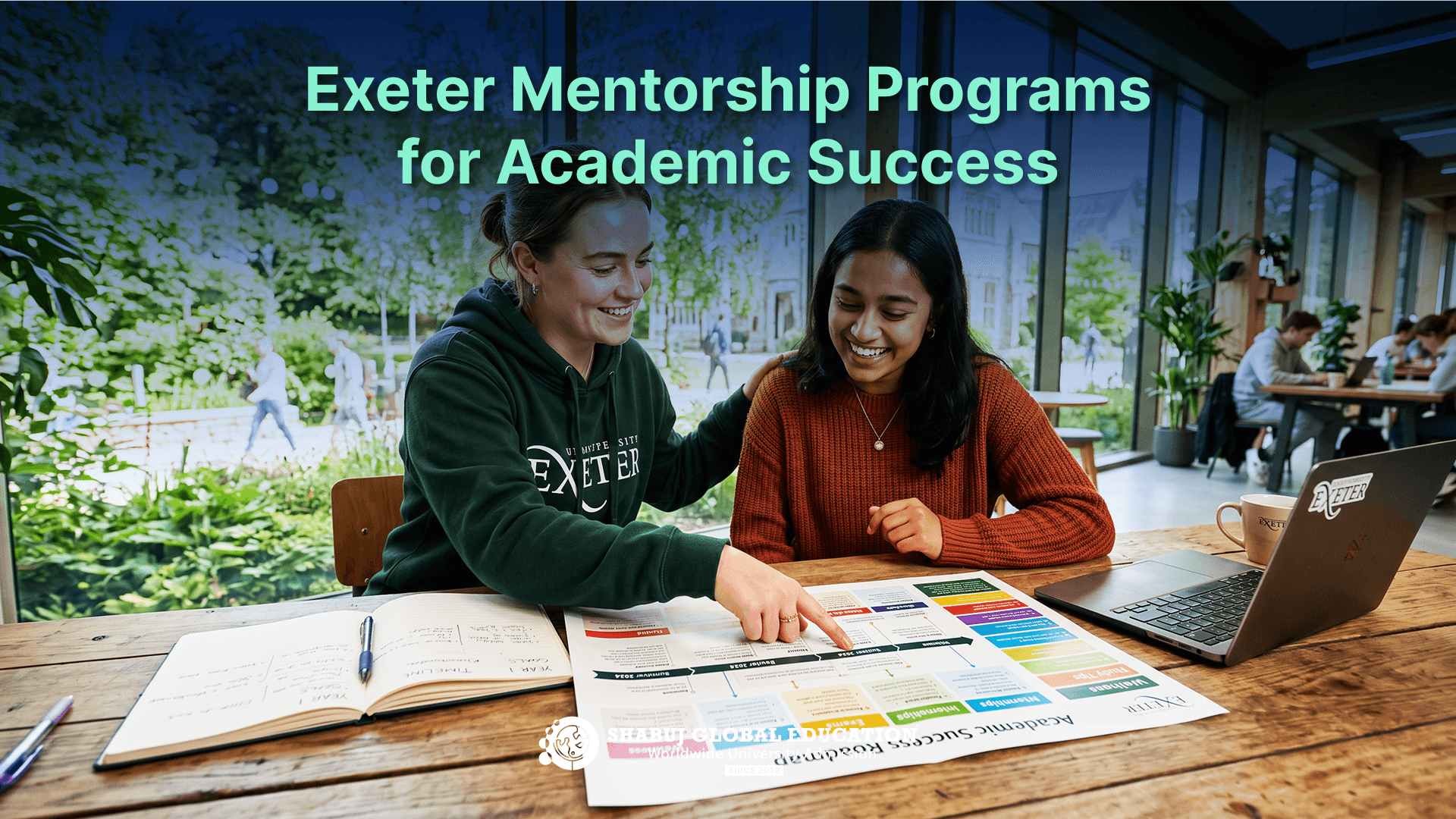
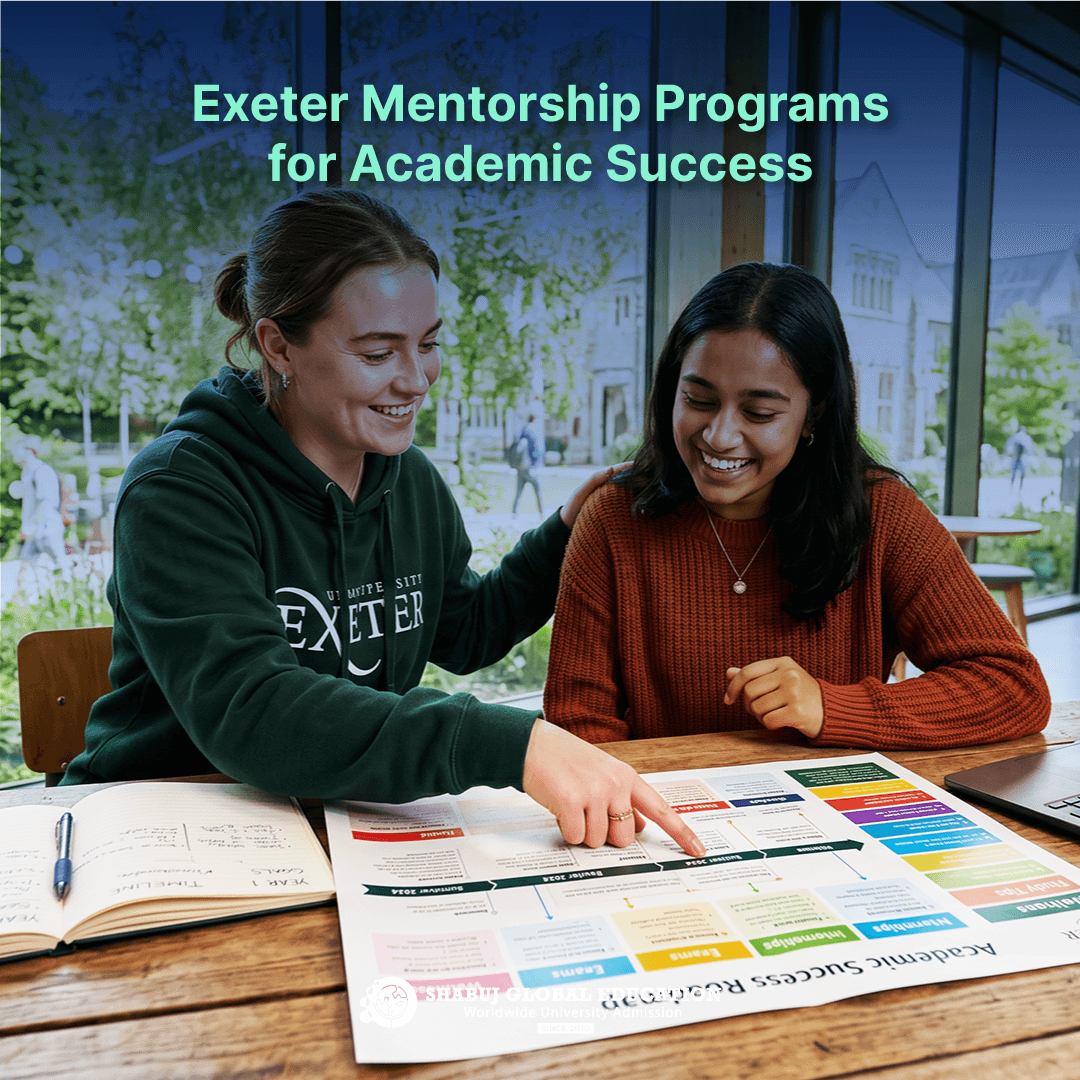
Exeter Mentorship Programs for Academic Success
2 minutes of reading time
A practical guide to peer mentoring, academic tutoring, study suppo...
Summary
A practical guide to peer mentoring, academic tutoring, study support, and transition programmes that help students adapt to university life and achieve academic success.
Apply for a UK Scholarship with Expert Guidance – Contact Us Today
Starting university is an exciting milestone, but it can also feel overwhelming. Many students face challenges such as academic pressure, adapting to independent learning, and settling into a new environment, particularly during their first year.
That is why Exeter peer mentoring and academic support programs play an important role in helping students succeed. From peer guidance to tutor systems and study support, these programs help students build confidence, improve learning habits, and settle into university life more smoothly.
Why Mentorship Matters at Exeter

University study is quite different from school or college. Students are expected to manage their own schedules, meet assignment deadlines, carry out independent research, and actively participate in seminars, tutorials, and group discussions.
This transition can be difficult for first-year students, especially international students who are adapting to a new country and education system.
The mentoring structure at the University of Exeter focuses on helping students:
Adjust to university learning
Improve academic performance
Build study confidence
Understand coursework expectations
Access study-related support early
The university uses several forms of mentoring and study support to improve student success rates and engagement.
The university's support network gives students access to academic tutors, peer mentors, and department-based support services that provide guidance and help them adapt to university-level study with greater confidence.
For more details about overall support services, visit our guide on Exeter University Student Support and Wellbeing Services.
Exeter Peer Mentoring for New Students

One of the most useful support systems for first-year students is Exeter peer mentoring.
Peer mentoring pairs new students with experienced students from similar academic backgrounds. These mentors offer practical advice, share their experiences, and help first-year students adjust to university life and understand academic expectations during the transition.
Instead of formal teaching, peer mentoring focuses on practical student-to-student guidance.
What Peer Mentors Usually Help With
Peer mentors often support students by helping them:
Understand class schedules
Manage coursework deadlines
Prepare for seminars
Develop study routines
Use university learning platforms
Find academic resources
Balance independent learning
Many students find it easier to ask questions and seek advice from senior students because the conversations are often more informal, approachable, and relatable.
This type of support is particularly valuable during the first semester, when students are still becoming familiar with university systems, academic expectations, and campus life.
Benefits of Peer Mentoring
Benefit | How It Helps Students |
Easier transition | Reduces confusion during first year |
Better study habits | Helps students organize learning |
Academic confidence | Encourages participation in class |
Faster adjustment | Students settle into university life quicker |
Shared experiences | Mentors provide practical advice |
Students who engage in mentoring programs often become more active learners and adapt more quickly to academic expectations.
Academic Mentoring Exeter Students Receive

Another important system is academic mentoring Exeter students receive through departments and tutor systems.
Academic mentoring provides more structured support than peer mentoring, focusing on academic progress, study planning, and effective learning strategies.
Students are typically assigned an academic tutor who offers guidance, monitors their progress, and provides ongoing support throughout their studies.
Role of Academic Tutors
Academic tutors help students:
Discuss academic progress
Understand assignment expectations
Improve academic writing
Plan module choices
Manage workload
Prepare for assessments
Develop independent study skills
Unlike peer mentors, tutors provide professional academic guidance linked directly to university learning standards.
This structured support helps students avoid common academic mistakes during their early university years.
Tutor Meetings and Study Planning
Students normally meet tutors regularly during the academic year.
Regular meetings with academic tutors can help students identify challenges early, before they have a significant impact on their grades. Tutors may also recommend study workshops, academic writing support, or additional learning resources tailored to individual needs.
Many students overlook the value of staying in regular contact with their academic tutors. Those who seek guidance and communicate consistently often achieve better academic outcomes by receiving timely feedback, practical advice, and support throughout their studies..
Study Support Services That Improve Learning

Beyond mentoring, Exeter also provides study-focused academic support programs that help students improve essential university skills.
These services are designed to strengthen learning rather than simply provide emergency support before exams.
Common Areas of Study Support
Students can receive support in areas such as:
Essay writing
Referencing and citations
Academic reading
Critical thinking
Research skills
Time management
Presentation preparation
These academic skills are important because university coursework requires more independent analysis than many students expect.
Students who build strong study habits early usually experience less stress during exams and assignment periods.
Workshops and Learning Resources
Many departments provide:
Study workshops
Academic writing sessions
Online learning materials
Research guidance
Group study opportunities
These resources help students become more confident in handling university-level assignments.
Students should not wait until grades drop before using support services. The most successful students often use academic support consistently throughout the year.
Not sure which scholarship fits you? Get a Free Consultation with our UK Education Experts.
Transition Support for First-Year Students
The first year of university is usually the hardest adjustment period.
Many students struggle because university learning requires self-discipline, independent research, and better time management.
Transition support programs are designed to help students move from school-level learning into higher education more smoothly.
Common First-Year Challenges
New students often face challenges like:
Understanding academic expectations
Managing independent study time
Adjusting to seminar participation
Balancing coursework deadlines
Navigating digital learning systems
Transition programs aim to reduce these problems early.
How Transition Support Helps
Exeter uses several approaches to support students during transition periods:
Welcome and orientation activities
Peer mentoring systems
Tutor guidance
Academic skills workshops
Department-based study support
These systems help students build confidence faster during the first semester.
Students who feel academically supported during the transition stage are usually more engaged in learning activities and class participation.
You can also explore our guide on Disability Support for Exeter University Students to understand how additional academic adjustments support inclusive learning.
Student Success Impact of Mentorship Programs
Mentorship programs are not simply social activities. Their real purpose is improving student success.
Research across universities consistently shows that students with mentoring and academic support are more likely to:
Stay engaged academically
Develop stronger study habits
Improve confidence
Participate in learning
Complete coursework successfully
The combination of Exeter peer mentoring and tutor systems creates a layered support structure that benefits both domestic and international students.
Long-Term Academic Benefits
Students who actively use mentoring support often gain:
Better organization skills
Improved academic communication
Stronger independent learning habits
Higher academic confidence
Better understanding of university expectations
These skills continue helping students throughout their entire degree.
Why Students Should Use Support Early
One common mistake students make is waiting until they struggle badly before seeking support.
Mentorship works best when students engage early.
Using mentoring during the first semester can prevent many common academic problems from becoming serious issues later.
That is why students should treat mentoring and study support as part of their learning strategy rather than emergency help.
Academic Preparation Support for Bangladeshi Students
For Bangladeshi students planning to study in the UK, adjusting to a new academic system can be challenging. Many students struggle with independent learning, assignment structure, seminar participation, and university-level expectations during their first semester.
Shabuj Global Education (SGE) helps students prepare for this transition before they arrive in the UK.
How SGE Helps Students Prepare Academically
University & Course Guidance
Students receive support choosing courses and universities that match their academic background, career goals, and learning strengths.
Application & Personal Statement Support
SGE helps students build stronger applications through document guidance, application review, and personal statement improvement.
Pre-Departure Academic Preparation
Students receive guidance about the UK education system, independent study methods, classroom expectations, and academic adjustment before starting university.
Visa & Student Transition Support
SGE provides step-by-step visa guidance along with support for accommodation, travel preparation, and settling into university life.
Ongoing Student Guidance
Students can continue receiving support after enrollment while adjusting to university study and academic responsibilities.
With proper preparation and early guidance, Bangladeshi students can transition into UK university life more confidently and avoid many common first-year academic challenges.
Trusted higher education insights related to academic mentoring and student success are also published by Times Higher Education
Building Academic Confidence
Mentorship programs are most effective when students actively participate and communicate openly.
Students who regularly interact with peer mentors and tutors often become more confident learners over time.
Academic success at university is not only about intelligence. It also depends on:
Consistency
Organization
Asking for help early
Building strong study habits
Using available support systems
That is exactly why mentoring systems remain important for first-year and international students.
Stronger Learning Through Mentorship
Exeter's peer mentoring and academic mentoring programmes help students settle into university life more quickly, develop effective study habits, and build long-term academic confidence.
From academic tutor guidance and study support to first-year transition programmes, these services provide ongoing support that helps students adapt, overcome challenges, and succeed throughout their university journey.
Ready to start your UK journey? Fill out our form and let’s begin your application.
Explore more
Frequently Ask Question