Student Wellbeing & Support | Study Abroad – UK
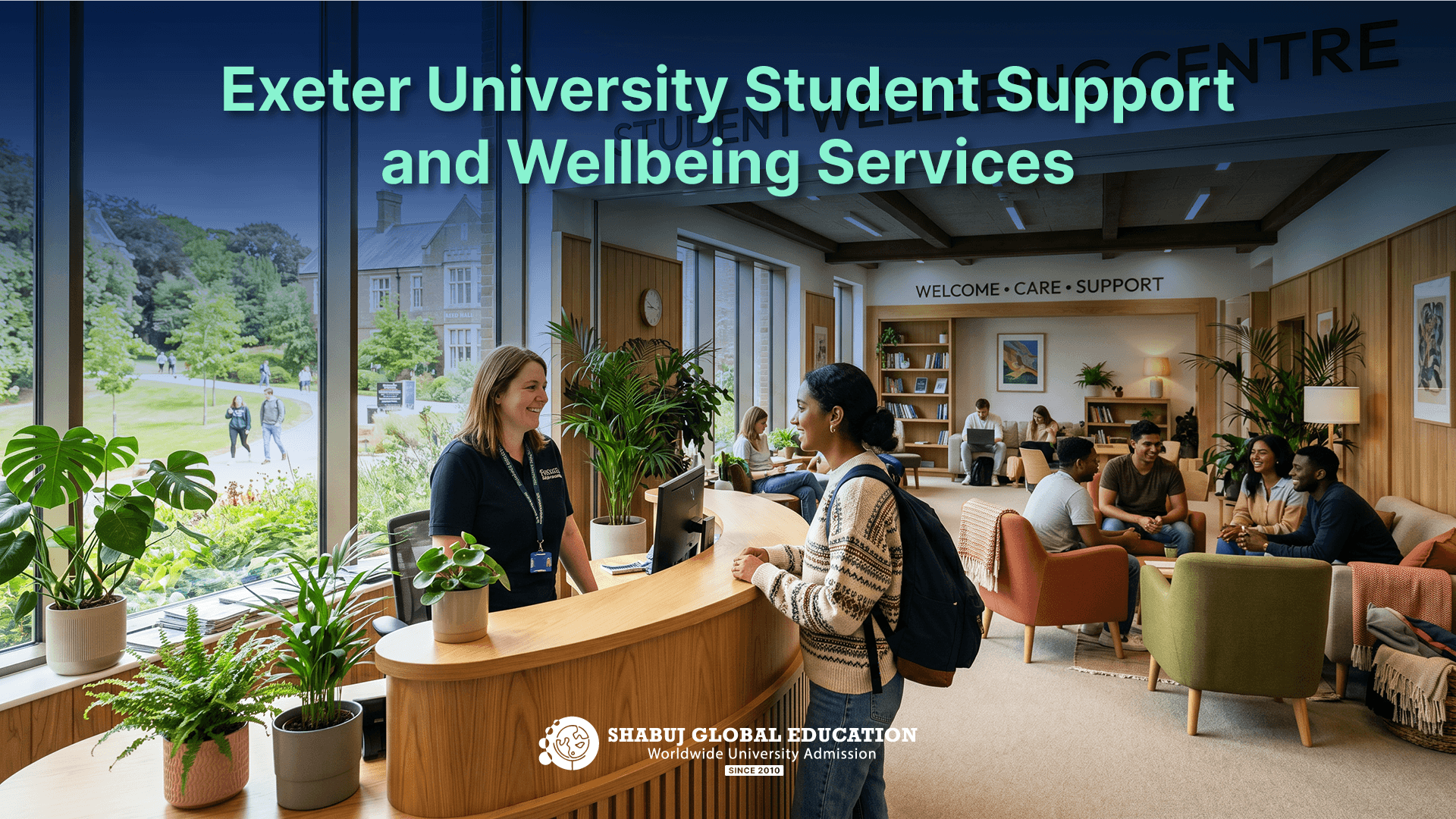
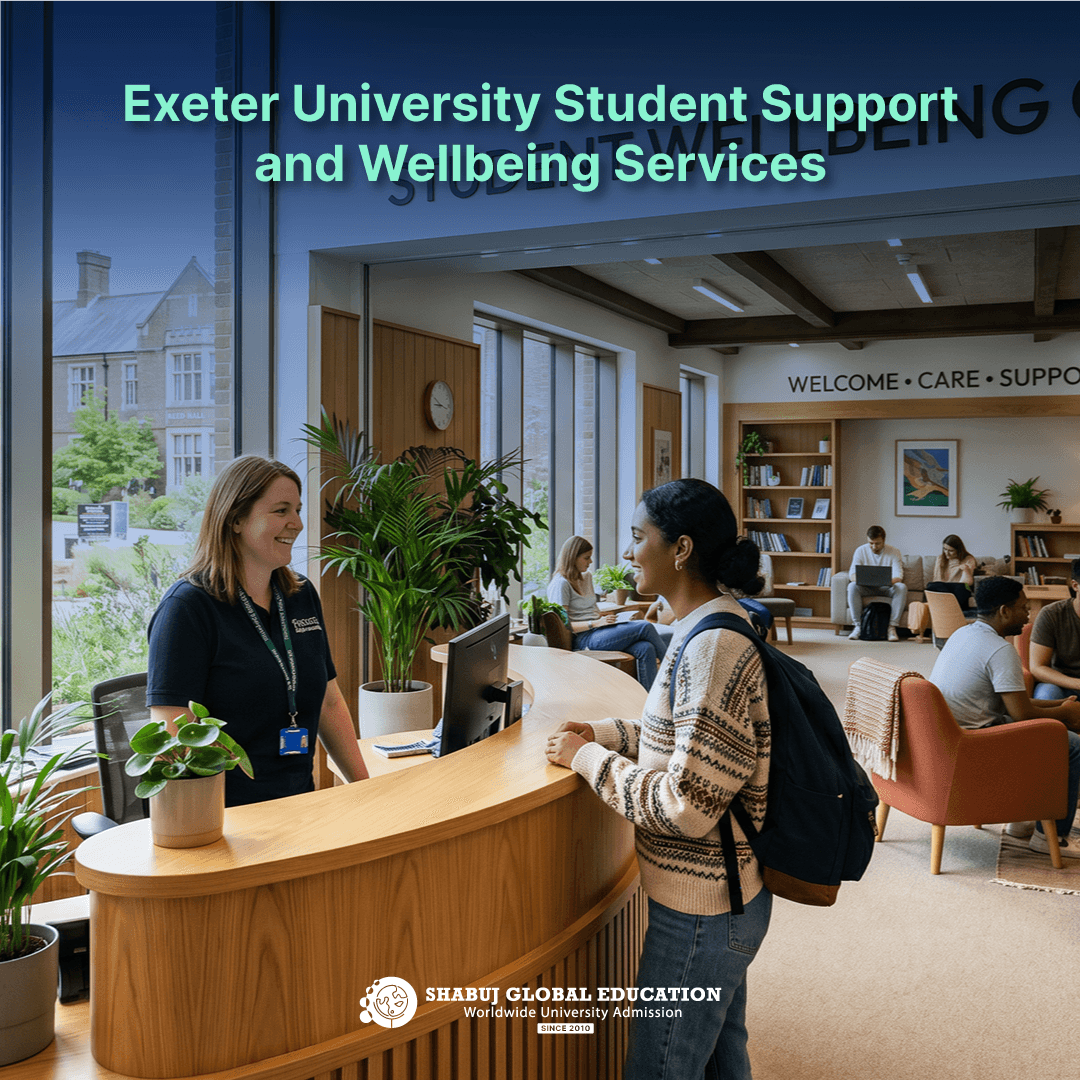
Exeter University Student Support and Wellbeing Services
2 minutes of reading time
A complete guide to student support services, wellbeing resources, ...
Summary
A complete guide to student support services, wellbeing resources, mentoring, career advice, disability support, and international student assistance to help you succeed at university.
Apply for a UK Scholarship with Expert Guidance – Contact Us Today
Starting university is an exciting milestone, but it also comes with new challenges and responsibilities. Many students face academic pressure, mental health concerns, financial difficulties, or the challenge of adapting to a new country, especially during their first year.
This guide explains the main Exeter student support systems available to help students succeed both academically and personally. From Exeter wellbeing services to mentorship, disability support, and emergency help, this page gives a broad overview of the support students can access throughout university life.
Exeter Student Support for Academic Success

Academic pressure is one of the biggest challenges students face during university. Coursework deadlines, exams, research projects, and independent learning can quickly become overwhelming without proper guidance.
Student support at Exeter includes a wide range of academic resources designed to help students improve performance and build confidence.
Academic Guidance and Study Support
Students can usually access:
Study skills workshops
Academic writing guidance
Library research support
Time management help
Referencing and citation support
Digital learning tools
One-to-one academic advice
These services are designed to help students build lasting academic skills rather than simply addressing short-term challenges.
The university also offers online learning platforms and subject-specific academic guidance, making it easier for students to stay organised and succeed throughout their degree.
Mentorship and Peer Learning Opportunities

Many students improve faster when learning from experienced students or mentors. Peer learning programs can help new students adjust to university expectations more comfortably.
If you want detailed information about mentoring opportunities, read our guide on Exeter Mentorship Programs for Academic Success.
Strong mentorship systems often help students:
Adapt to academic culture faster
Improve communication skills
Build confidence
Learn study strategies
Reduce first-year stress
Instead of struggling alone, students can learn directly from others who already understand the university environment.
Exeter Wellbeing Services and Mental Health Support

University life can affect mental health in different ways. Academic pressure, loneliness, homesickness, financial stress, and adjusting to a new environment can impact student wellbeing.
This is why Exeter wellbeing services are an important part of student life.
Support Available for Mental Health
Students may have access to:
Wellbeing advisers
Counselling support
Mental health guidance
Stress management resources
Workshops for anxiety and confidence
Crisis and urgent support pathways
The goal is not only to respond during difficult moments but also to help students maintain healthy routines throughout their studies.
Everyday Wellbeing Resources
Effective wellbeing support extends beyond counselling sessions. Students are also encouraged to adopt healthy lifestyle habits that strengthen their mental and emotional wellbeing throughout their university journey.
Common wellbeing resources include:
Wellbeing Area | Examples of Support |
Mental Health | Counselling and emotional support |
Physical Health | Fitness activities and healthy living |
Social Wellbeing | Clubs, societies, and community events |
Academic Balance | Study management guidance |
Stress Reduction | Mindfulness and wellbeing workshops |
Students who actively use wellbeing services often find it easier to manage university challenges before problems become serious.
For a detailed breakdown, read our full guide on Mental Health and Wellbeing Services at Exeter.
Not sure which scholarship fits you? Get a Free Consultation with our UK Education Experts.
Career Guidance and Student Support at Exeter
A degree alone does not guarantee career success. Students also need practical experience, career planning, networking opportunities, and employability skills.
Student support at Exeter includes career-focused services that help students prepare for life after graduation.
Career Support Students Can Access
Career guidance services may include:
CV and resume reviews
Interview preparation
Internship support
Job search guidance
Career planning workshops
Networking events
Employer connections
Many students begin preparing for careers during their first year instead of waiting until graduation.
Why Career Services Matter Early
Students who use career services earlier often gain advantages such as:
Better internship opportunities
Stronger professional confidence
Improved communication skills
Better understanding of industry expectations
Clearer long-term career goals
International students especially benefit from career guidance because the UK job market can be very different from their home country.
Learn more in our detailed guide on Career Guidance Services at Exeter University.
Disability Support for Exeter University Students
Not all students learn in the same way. Some students require additional academic or personal support due to disabilities, long-term health conditions, learning differences, or accessibility needs.
Exeter student support includes disability-focused services that aim to create a more accessible learning environment.
Support Areas for Disabled Students
Support may include:
Learning adjustments
Accessible teaching resources
Exam accommodations
Assistive technology
Note-taking support
Accessibility guidance
Individual support planning
The goal is to reduce barriers that could affect student learning or wellbeing.
Creating an Inclusive Environment
Accessibility support is important because students perform better when learning environments are inclusive and adaptable.
Disability services can help students:
Participate more confidently in class
Access learning materials more easily
Reduce unnecessary academic stress
Maintain independence during studies
Students should ideally communicate support needs early to avoid delays in arranging accommodations.
For more detailed information, read Disability Support for Exeter University Students.
International Student Support
International students often face extra challenges compared to domestic students. Moving to another country involves adapting to a new culture, education system, lifestyle, and environment.
Exeter wellbeing services and international support systems help students adjust more smoothly during this transition.
Common Challenges for International Students
Students may struggle with:
Homesickness
Language barriers
Cultural adjustment
Visa questions
Academic differences
Financial planning
Social isolation
Support services help students feel more connected and informed during their studies.
International Student Guidance
Support may include:
Orientation activities
Visa and immigration guidance
English language support
Student community programs
Cultural integration events
Practical advice for daily life in the UK
These services are especially important during the first semester when many students experience adjustment difficulties.
SGE Support for Bangladeshi Students
Applying to a UK university can feel confusing for many Bangladeshi students, especially when dealing with course selection, university requirements, visa applications, and pre-departure preparation. This is where Shabuj Global Education (SGE) helps simplify the process.
SGE support includes:
Course & University Guidance: Get help selecting the right program based on academic background, career goals, and future plans.
Application Assistance: Receive support with document preparation, university applications, and personal statement reviews.
Visa & Pre-Departure Support: Understand the UK student visa process and prepare confidently before traveling abroad.
Ongoing Student Guidance: Continue receiving support after enrollment for academic adjustment and future career planning.
For Bangladeshi students planning to study in the UK, proper guidance can reduce mistakes, improve preparation, and make the overall university journey much easier.
Students should regularly use trusted wellbeing resources and mental health guidance to maintain a healthy balance between academic responsibilities and personal wellbeing. Helpful student wellbeing resources are also available through Student Minds.
Peer Support and Student Communities
University can feel isolating if students do not build social connections. Peer support systems help students feel more included and emotionally supported.
Why Peer Support Matters
Students often feel more comfortable talking with peers who understand similar experiences.
Peer communities can help students:
Build friendships
Reduce loneliness
Improve confidence
Adapt faster to university life
Learn practical student survival tips
Student societies, clubs, and academic communities also play a major role in wellbeing.
Student Activities and Engagement
Taking part in activities outside the classroom can improve both personal growth and mental wellbeing.
Examples include:
Sports clubs
Cultural societies
Volunteer programs
Academic societies
Student events
Community activities
Students who stay socially active often adjust more successfully to university life.
Emergency and Crisis Support
Sometimes students face urgent personal, emotional, financial, or safety-related situations. In these moments, emergency support services become extremely important.
Situations That May Require Urgent Support
Examples include:
Mental health crises
Serious stress or anxiety
Accommodation emergencies
Safety concerns
Financial hardship
Unexpected personal situations
Students should never ignore serious wellbeing concerns or attempt to manage everything alone.
Importance of Early Support
Many student problems become harder to manage when support is delayed. Seeking help early often prevents small issues from becoming major crises.
Emergency support systems exist to help students stay safe, stable, and connected during difficult situations.
How Exeter Support Services Work Together
One common mistake students make is thinking support services only help during serious problems. In reality, the best results usually come from using support early and consistently.
Academic support, wellbeing services, career guidance, mentoring, and peer communities all work together to improve the overall student experience.
For example:
Better mental health can improve academic performance
Mentorship can reduce stress and confusion
Career planning can increase motivation
Peer support can reduce loneliness
Disability services can improve learning access
Students who actively use available support systems often adapt faster and feel more confident throughout university life.
Helpful Resources Students Should Explore
Students should regularly explore available support platforms and resources during their studies.
Useful support areas include:
Academic skills development
Career preparation
Mental wellbeing tools
Student communities
International student guidance
Accessibility services
Emergency support contacts
Ignoring support resources until problems become serious is one of the biggest mistakes many students make during university.
Support Makes University Life Easier
Exeter's support services help students navigate academics, wellbeing, career planning, and university life with greater confidence.
Students who access support early are often better equipped to settle in, overcome challenges, and succeed throughout their studies.
Ready to start your UK journey? Fill out our form and let’s begin your application.
Explore more
Frequently Ask Question