Student Wellbeing & Support | Study Abroad – UK
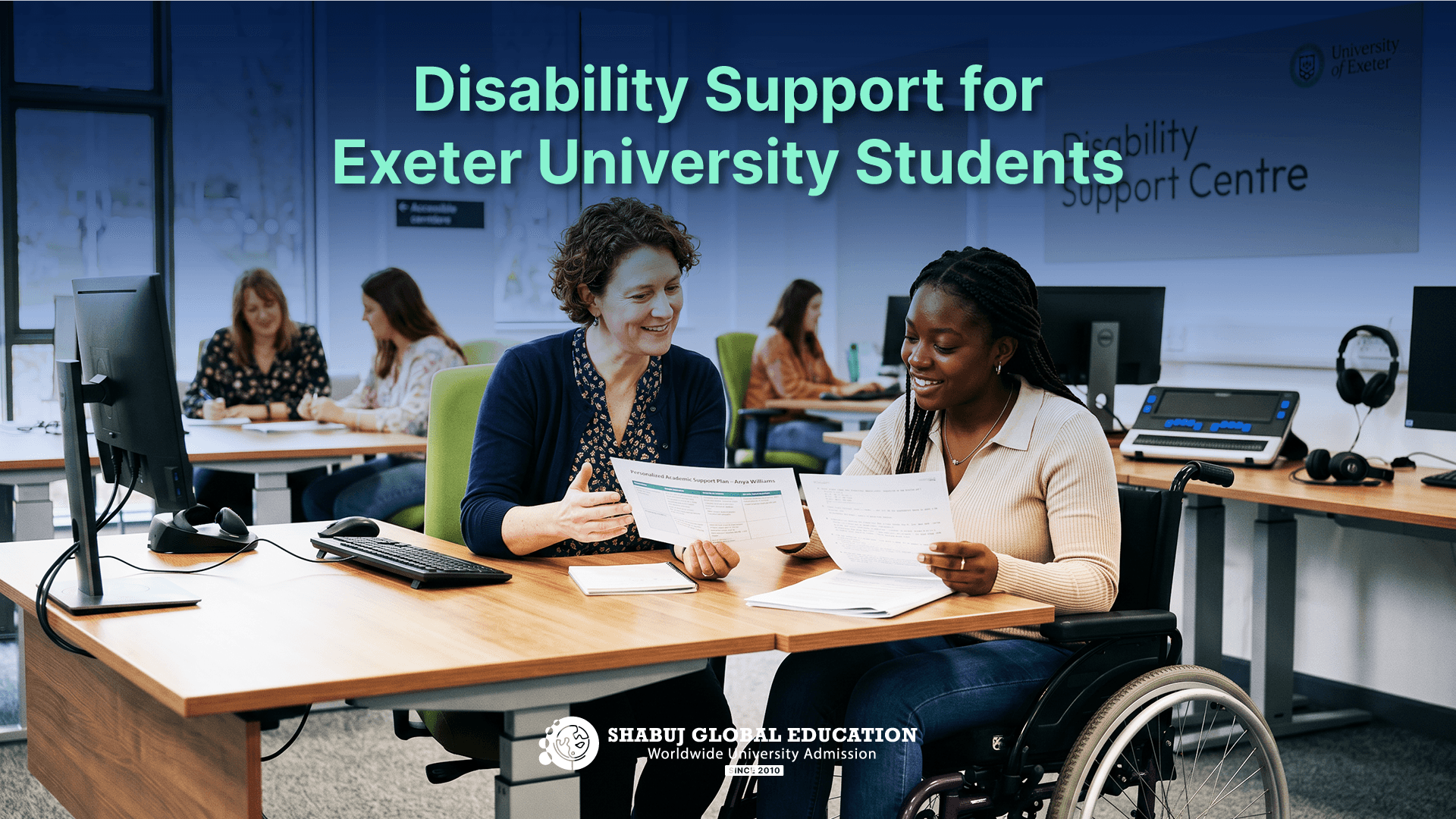
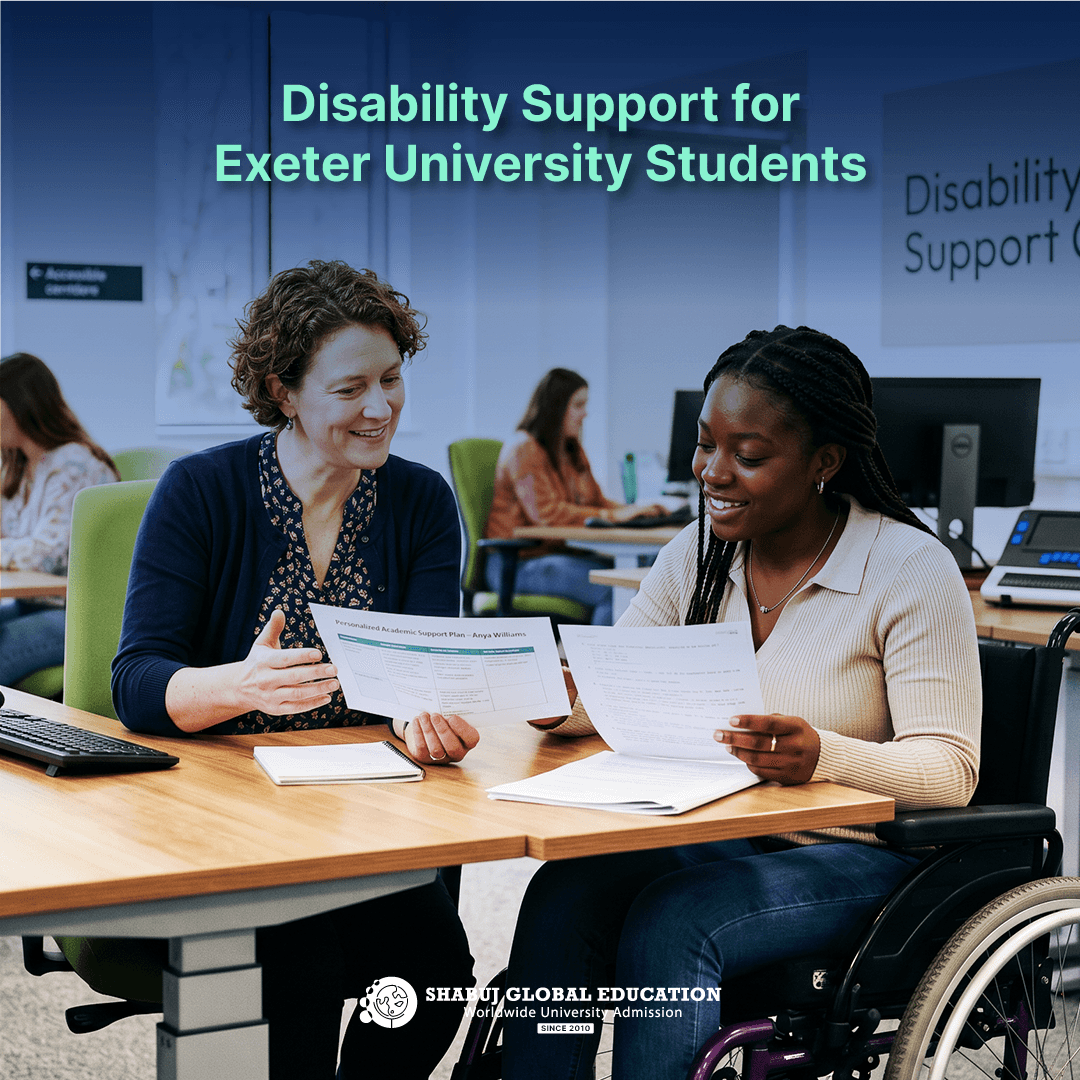
Disability Support for Exeter University Students
2 minutes of reading time
A practical guide to disability support services, accessibility adj...
Summary
A practical guide to disability support services, accessibility adjustments, assistive technology, and inclusive learning support that helps students succeed throughout their university journey.
Apply for a UK Scholarship with Expert Guidance – Contact Us Today
Starting university can be particularly challenging for students with physical disabilities, learning differences, long-term health conditions, or ongoing mental health challenges. When accessibility barriers affect learning and everyday university life, managing academic responsibilities can become even more demanding.
That is why Exeter disability support services are important for helping students access education more fairly and comfortably. From accessibility support and learning adjustments to assistive technology and exam accommodations, students can receive practical support designed to improve inclusive learning and academic success.
Why Disability Support Matters in University Life

University learning environments can sometimes create barriers for students if proper adjustments are not available.
Students may experience difficulties related to:
Lecture access
Note-taking
Exam conditions
Time management
Physical accessibility
Reading and writing tasks
Digital learning systems
Without support, these challenges can affect academic confidence and performance.
That is why accessibility services Exeter students use are designed to reduce learning barriers and help students participate more equally in university life.
Support is focused on helping students study independently while making learning environments more accessible and manageable.
For a broader overview of student support systems, read our guide on Exeter University Student Support and Wellbeing Services.
Exeter Disability Support and Accessibility Services

The university provides different forms of Exeter disability support for students with a wide range of needs.
Support may apply to:
Physical disabilities
Long-term medical conditions
Specific learning differences
Sensory impairments
Mental health conditions
Neurodivergent learning needs
The goal is not to lower academic standards. Instead, support helps students access learning more fairly and effectively.
What Accessibility Services Exeter Students May Receive
Students may receive support such as:
Learning adjustments
Exam accommodations
Assistive technology
Study support guidance
Accessible learning resources
Individual support planning
These adjustments help students reduce unnecessary barriers during academic study.
Importance of Early Support Registration
One of the most common mistakes students make is delaying their disability support registration. Many wait until academic challenges become significant before requesting the adjustments they need.
This can lead to unnecessary stress and added academic pressure. Registering for support early allows reasonable adjustments to be put in place before coursework, assessments, and exams become more demanding, helping students access the support they need from the start.
Disability Advisors and Student Guidance

Disability advisors play an important role in helping students understand available support options.
Advisors work with students to identify learning barriers and recommend suitable academic adjustments.
What Disability Advisors Help With
Students may receive guidance related to:
Support planning
Academic adjustments
Accessibility concerns
Exam support arrangements
Study-related difficulties
Communication with departments
This support helps students navigate university systems more confidently.
Why Individual Support Matters
Every student's experience is unique, and the support they need can vary significantly. Even students with the same condition may benefit from different adjustments depending on their individual circumstances and learning needs.
For this reason, support plans are usually tailored to each student rather than relying on a one-size-fits-all approach. Personalised adjustments help ensure students receive the practical support they need to participate fully and succeed academically.
Learning Adjustments for Inclusive Education
Learning adjustments help students participate more effectively in lectures, coursework, and assessments.
Inclusive learning is not only about physical access. It also involves making academic materials and teaching methods more accessible.
Common Learning Adjustments
Students may receive adjustments such as:
Additional time for assignments
Flexible learning arrangements
Accessible lecture materials
Alternative assessment formats
Note-taking support
Recorded lecture access
These changes can reduce unnecessary academic barriers without affecting course quality.
Benefits of Inclusive Learning
Inclusive Support | Student Benefit |
Accessible materials | Easier understanding of coursework |
Flexible adjustments | Reduced academic pressure |
Learning support | Improved study confidence |
Better accessibility | More independent learning |
Personalized support | Stronger academic participation |
Inclusive learning environments help students focus more on education rather than constantly managing accessibility problems.
Why Inclusive Learning Helps Everyone
Many accessibility improvements also help students without disabilities.
For example:
Clearer learning materials
Recorded lectures
Organized digital resources
Flexible study tools
These improvements often make learning easier for all students, not only those with registered support needs.
Not sure which scholarship fits you? Get a Free Consultation with our UK Education Experts.
Exam Accommodations and Academic Fairness
Exams can create additional challenges for students with disabilities or long-term health conditions.
Exam accommodations help create fairer assessment conditions by reducing barriers that may affect performance.
Common Exam Accommodations
Students may receive support such as:
Extra exam time
Rest breaks
Smaller exam rooms
Assistive technology during exams
Alternative exam formats
These accommodations are designed to support equal academic opportunity rather than provide unfair advantages.
Why Exam Support Matters
Without appropriate adjustments, exams may measure a student’s accessibility difficulties rather than actual subject knowledge.
For example:
Physical pain may affect concentration
Reading difficulties may slow processing speed
Anxiety may affect focus under pressure
Support arrangements help students demonstrate their knowledge more fairly.
Planning Exam Support Early
Students should arrange accommodations well before exam periods.
Late applications can create unnecessary stress and may limit available adjustment options during busy assessment periods.
Preparing early usually creates smoother academic experiences.
Assistive Technology and Study Support
Technology now plays a major role in accessible learning.
Assistive technology helps students manage academic tasks more independently and efficiently.
Examples of Assistive Technology
Students may use:
Speech-to-text software
Text-to-speech tools
Screen readers
Recording software
Organizational apps
Accessibility-focused learning tools
These technologies help reduce barriers related to reading, writing, note-taking, and organization.
How Assistive Technology Improves Learning
Assistive tools can help students:
Process information more easily
Improve time management
Reduce study fatigue
Access materials independently
Stay organized academically
Students who learn how to use assistive tools effectively often become more confident and independent learners.
Support for Mental and Physical Disabilities

Disability support includes both visible and non-visible conditions.
Many students incorrectly assume support is only available for physical disabilities.
In reality, support may also help students managing:
Mental health conditions
Chronic illnesses
Neurodivergent conditions
Learning differences
Sensory impairments
Removing Fear Around Support
Some students hesitate to request support because they fear being judged or treated differently.
This mindset often creates additional stress and isolation.
Using support services is practical, not a weakness.
Students who access proper support early usually manage university life more effectively and with less unnecessary pressure.
You can also read our guide on Mental Health and Wellbeing Services at Exeter to understand how counselling, wellbeing workshops, and emotional support services help students maintain healthier academic balance.
Accessibility Beyond the Classroom
Accessibility also affects daily student life outside academic settings.
Students may face challenges related to:
Campus navigation
Accommodation access
Study spaces
Digital systems
Group activities
Support services help identify and reduce these barriers where possible.
Creating a More Accessible Student Experience
A more accessible environment helps students:
Participate more confidently
Stay academically engaged
Reduce stress related to barriers
Build independence
Feel more included in university life
Accessibility is most effective when students feel comfortable using available support systems without fear or hesitation.
You can also explore our guide on Exeter Mentorship Programs for Academic Success, which explains how peer mentoring and study support help students adapt to university learning environments more successfully.
Additional Guidance for Bangladeshi Students
Moving to another country for university can feel more challenging for students who need learning adjustments, accessibility support, or a more structured study environment.
Shabuj Global Education (SGE) helps Bangladeshi students understand university support systems before starting their studies in the UK.
How SGE Supports Students
Guidance for choosing student-friendly universities
Help understanding support services and campus facilities
Application and document preparation assistance
Pre-departure support for adjusting to UK student life
Continued guidance during the transition to university study
Students who understand available support systems early often adjust more comfortably and feel more confident during university life.
Inclusive education and accessibility support strategies are also discussed by Understood.org
Building Confidence Through Accessible Learning
Accessibility support is not only about reducing barriers. It also helps students build independence, confidence, and long-term academic stability.
Students who use support effectively often become:
Better organized
More confident learners
More independent academically
More comfortable asking for help
The goal of inclusive support is helping students succeed fairly while maintaining academic standards.
Strong support systems help students focus more on learning and less on managing avoidable obstacles.
Accessible Support Creates Better Learning
Exeter's disability support, accessibility services, learning adjustments, and assistive technology help students access their education with greater confidence and independence.
By reducing barriers to learning and campus life, these inclusive support services enable students to participate more fully, achieve their academic goals, and make the most of their university experience.
Ready to start your UK journey? Fill out our form and let’s begin your application.
Explore more
Frequently Ask Question