Student Wellbeing & Support
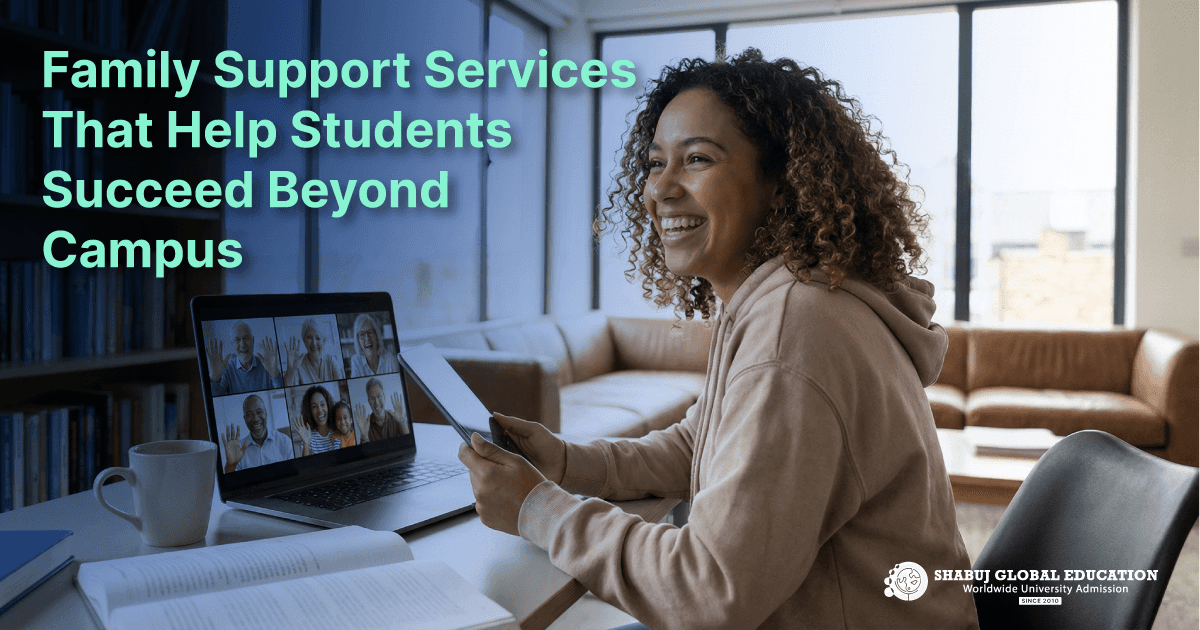
Family Support Services That Help Students Succeed Beyond Campus
2 minutes of reading time
Students do better when families offer emotional, financial, and co...
Summary
Students do better when families offer emotional, financial, and communication support. This guide covers family support services, tips for strengthening them, and how Bangladeshi students can access SGE assistance for a smoother university transition.
Students succeed most when they have strong emotional, financial, and communication support at home. While university services like Bloomsbury Institute London focus on academic and practical support, what happens at home is equally important. Families often provide the foundation that helps students stay confident, balanced, and ready to face challenges beyond the classroom.
This article outlines key family support services that help students thrive beyond campus and shows how families can make a meaningful difference during and after university life.
What Family Support Really Means for Students
Family support goes beyond meals or letters home. It includes a range of services that help young adults stay grounded while building their future, such as emotional encouragement, financial guidance, open communication, and assistance with the transition from home life to independent adulthood.
Families help students:
Navigate challenges
Make informed decisions
Feel confident and valued
Balance finances and responsibilities
This article gives a high level overview of these major areas of family support.
Emotional Encouragement from Family
Emotional support is a key predictor of student success. When students feel understood and encouraged at home, they are more likely to stay motivated and overcome challenges.
How Families Provide Emotional Support
Families help in many ways that don’t show up in grades but make a huge difference:
Active listening: Students often need someone to hear them without judgment.
Positive reinforcement: A simple message of pride and belief can boost confidence.
Celebrating achievements: Whether big or small, celebrations help reinforce effort.
Stable routines at home: Consistent routines before and during university (e.g., study times, family meals) help students feel secure.
These kinds of emotional anchors make students feel they have a solid base to return to when life gets stressful.
Why Emotional Support Matters
Students who feel emotionally supported:
Are less likely to feel isolated
Can bounce back from setbacks
Stay motivated to finish tasks
Build resilience for future challenges
Strong emotional ties help students stay mentally balanced and focused on long‑term goals.
Financial Stability and Guidance
Finances are often one of the biggest sources of stress for students. Families that offer thoughtful financial support and guidance help students stay focused on their goals instead of constantly worrying about money.
What Family Support Includes
Financial support takes many forms:
Help with budgeting: Families can teach students how to plan and track spending.
Cost‑sharing: Contributing to tuition, books, or living expenses can ease pressure.
Emergency funds: Having a basic safety net for unexpected expenses can prevent crises.
Guidance on work‑study balance: Helping students decide if part‑time work is right for them.
Understanding money management early protects students from common financial pitfalls.
Balancing Support and Independence
Families need to balance financial support with encouraging independence. Students should have the space to manage their own money while still having a safety net when needed. This approach builds responsibility without removing support.
Communication Skills from Family
Families influence the way students express themselves and solve problems. Good communication skills help students navigate academic, social, and professional worlds with confidence.
Ways Families Support Communication
Open dialogue: Encouraging honest conversations builds confidence in expressing ideas.
Conflict resolution practice: Families can model respectful ways to handle disagreements.
Encouraging questions: Students who grow up asking questions are better prepared to engage in class, job interviews, and networking.
Sharing experiences: Stories from parents or relatives about real‑life challenges help students learn indirectly.
Students who communicate well are more likely to build strong relationships, advocate for themselves, and seize opportunities.
Transition Support for Key Life Stages
Moving from living at home to living on their own is a major life transition. Families play a crucial role in helping students navigate these changes smoothly.
Early University Years
Before and during the first year, students benefit from:
Packing and planning help: Practical support reduces first‑day stress.
Orientation reinforcement: Talking about schedule, expectations, and routines helps students prepare.
Check‑in calls: Regular communication from family provides a safety net.
Post‑University Transition
After graduation, support takes a different form. Families who understand career steps, relocation challenges, and adult responsibilities can better help graduates succeed beyond campus.
How Transition Support Helps Students
Transition support helps students:
Adapt to new living situations
Handle setbacks with confidence
Plan next steps after graduation
Build independence while feeling supported
This kind of support helps students make logical life decisions without feeling overwhelmed.
Special Support for International & First-Gen Students
Some students face extra challenges:
International Students
For students studying abroad, family support looks a bit different:
Frequent check‑ins: Time differences and distance mean intentional communication matters.
Cultural support: Helping preserve cultural identity builds comfort away from home.
Guidance on adjustments: Family encouragement helps students balance new academic and social environments.
Families who stay connected help international students feel grounded even when living far away.
First‑Generation Students
First‑generation students often blaze their own trail:
Families learning together: Parents and guardians who may not know university life can still support with belief and encouragement.
Pride and motivation: Recognizing the importance of education in changing life paths motivates students.
Role modeling: Seeing hard work rewarded reinforces grit and persistence.
These students benefit greatly when families cheer them on and help them see obstacles as temporary.
Support for Bangladeshi Students via SGE
For Bangladeshi students planning to study at Bloomsbury Institute London, Shabuj Global Education (SGE) offers full support to make the admission and transition process smooth.
From free application guidance, program selection help, documentation assistance, pre‑CAS interview prep, to visa support, SGE ensures students and families feel confident every step of the way.
Get started with SGE today and give your student a fully guided path to success.
Family Support Compared to Institutional Support
While universities provide important services such as academic advising, career support, and wellbeing programmes, family support fills gaps that institutions cannot.
For example, Bloomsbury Institute London offers academic and practical support through its student services available on campus and online. These include support from academic teams and access to communities that help students during university life. However, family support remains crucial for emotional encouragement and personal stability outside campus.
If you’re curious how institutional support works alongside family support, check out this article on Student Wellbeing Support Services Available During University Life.
Quick Comparison
Type of Support | Family Role | University Role |
Emotional encouragement | Constant reinforcement and trust | Structured counselling and wellbeing programs |
Communication skills | Everyday practice | Workshops, speaking opportunities |
Financial guidance | Budgeting and family contributions | Bursaries, job placement support |
Transition support | Practical life adjustments | Orientation, academic transitions |
Both together create a strong foundation for student success.
How to Strengthen Family Support
Here are actionable tips families can use:
Set regular communication times (weekly calls, messages)
Teach basic budgeting before and during university
Encourage academic curiosity through conversations about goals
Celebrate achievements no matter how small
Help plan for life transitions with checklists and shared goals
Listen actively without immediately offering solutions
These small practices help students feel supported and confident.
Success Stories: When Family Support Makes a Difference
Many graduates attribute success to family support that helped them push through hard times. Students who had someone to talk to, someone to believe in them, and someone who helped set goals often:
Stay in school longer
Graduate on time
Handle stress more effectively
Build career plans with confidence
These stories show that family support services go beyond practical help; they shape mindsets.
Final Thoughts
Strong family support plays a vital role in helping students succeed beyond campus life. Emotional encouragement, financial stability, clear communication, and support during transitions create a solid foundation that complements university services.
Students with this backing are better prepared to handle challenges, pursue opportunities, and build fulfilling lives after graduation.
Explore more
Frequently Ask Question