International Student Support | South Asian Student Guides
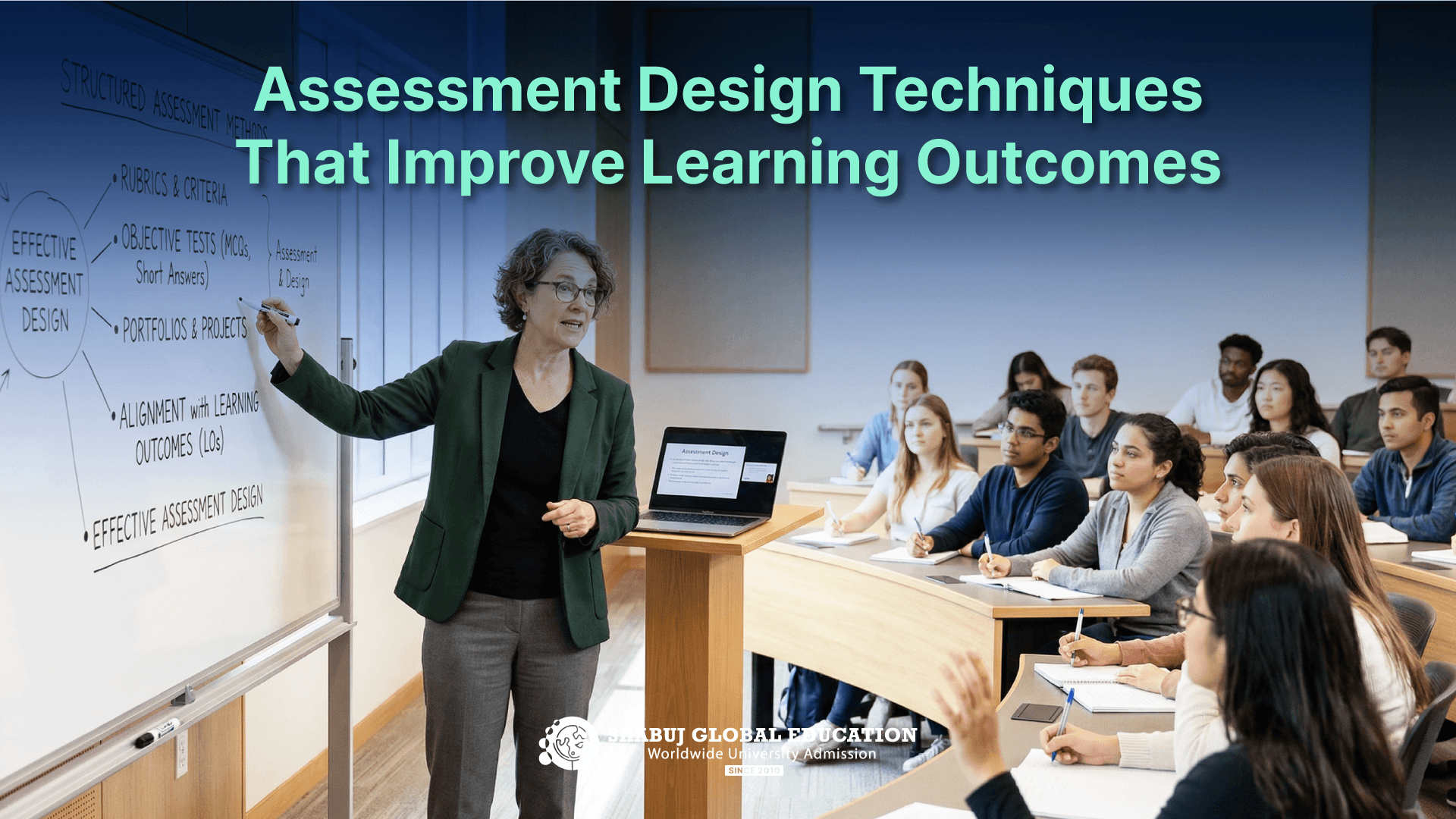
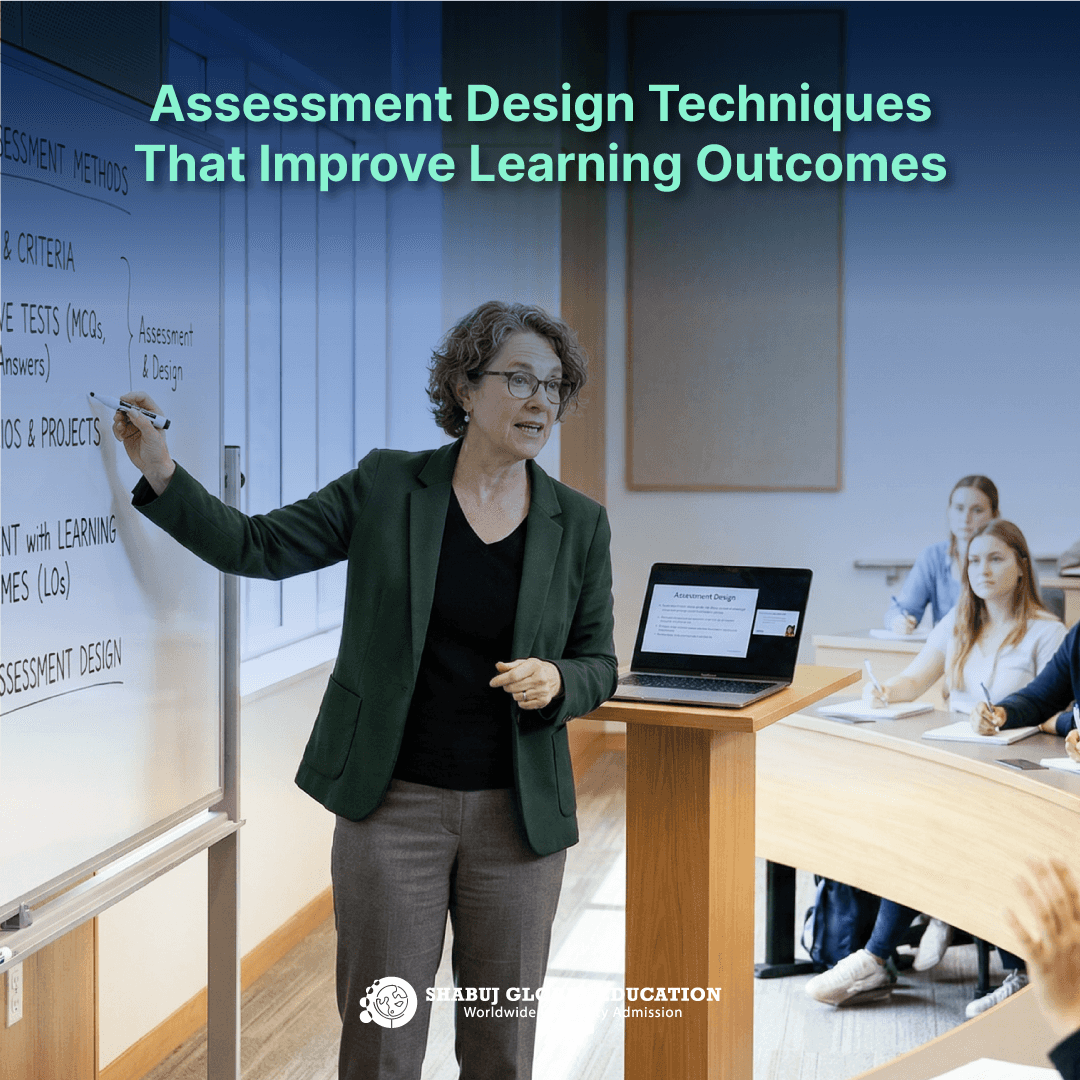
Assessment Design Strategies That Improve Student Learning Outcomes
2 minutes of reading time
This blog explains how assessment design strategies in higher educa...
Summary
This blog explains how assessment design strategies in higher education enhance learning outcomes, deliver meaningful feedback, ensure fairness, and develop student skills for both academic and professional success.
At Bloomsbury Institute London, assessment plays a central role in academic quality and student achievement. The institution designs assessments to measure intended learning outcomes, align with national higher education standards, and support continuous skill development throughout the course.
This article explains how assessment design strategies improve learning outcomes, increase student engagement, and strengthen academic success. A comparison table outlines key design approaches and their benefits.
What Assessment Design Means at Bloomsbury Institute London
Assessment design refers to how tasks such as projects, exams, essays, and practical evaluations are created so that they reflect the learning outcomes of a course. At Bloomsbury Institute, assessment is part of the overall academic system that ensures:
• Students earn qualifications only when they have achieved the defined learning outcomes, and
• The value of qualifications remains consistent with sector‑recognised standards.
Core Purposes of Assessment
Ensure students meet the learning outcomes required by the national qualifications framework
Maintain consistency and comparability of assessments with UK higher education standards
Provide opportunities for students to learn through preparing for and completing assessments, including formative feedback
Guarantee assessments are valid, fair, and reliable
Support diverse learners with equal opportunities to demonstrate their knowledge
Assessments are reviewed both internally and externally to ensure they remain valid, consistent, and fair across years and cohorts.
According to Renaissance Learning, research-backed strategies in effective instructional design help educators engage students, foster active learning, and create meaningful, personalized learning experiences that improve understanding and skill development.
.png&w=828&q=60)
Collaborative projects allow students to apply theoretical knowledge to real-world challenges while building essential teamwork skills.
Key Assessment Design Strategies at a Glance
Strategy | Purpose | Student Benefit |
Alignment With National Standards | Ensures assessments map directly to learning outcomes | Students are tested on the knowledge and skills they need for their degree |
Summative and Formative Methods | Combines final evaluation with ongoing learning support | Builds skills and understanding before final grading |
Reliability, Fairness, and Consistency | Quality checks by External Examiners and moderation processes | Students receive fair, consistent assessment and feedback |
Inclusive Assessment Design | Offers varied methods to accommodate diverse learners | Equal opportunities for all students to demonstrate learning |
Meaningful Feedback | Provides both comments and feed-forward guidance | Students can improve future work and track progress over time |
How Bloomsbury Institute Designs Assessment
Alignment With National Standards
Each assessment is designed to align directly with the learning outcomes outlined in the course and module documentation. This ensures students are assessed on the exact knowledge and skills required by their degree programme.
Use of Summative and Formative Methods
Bloomsbury Institute uses both formative and summative assessments. Formative assessments help students develop skills and understanding before final grading, while summative assessments evaluate overall achievement at the end of a unit of study.
Reliability, Fairness, and Consistency
External Examiners review assessment processes annually to ensure consistency and reliability. This includes quality checks on assessment briefs as well as marking procedures.
Equal Opportunities for All Students
Assessment design takes into account diverse learner needs by offering varied methods of demonstrating achievement. The Institute also reviews assessment briefs periodically from an inclusion and accessibility perspective.
Assessment and Feedback
Feedback at Bloomsbury Institute is designed to be meaningful and to help students improve future work. Feedback includes both comments on current performance and feed‑forward guidance that helps students make progress in subsequent assessments.
Assessment and feedback are central to helping students judge their progress and develop their academic skills over time, not just determine a final grade.
Benefits for Student Learning
Understand exactly what they need to learn and demonstrate
Receive useful feedback that guides further improvement
Experience fair and consistent evaluation of their work
Develop academic and professional skills that support future goals
These assessment strategies ensure that evaluations are more than formal requirements; they become part of the learning process that builds student confidence and competence.
Well-designed assessments encourage analytical thinking and practical application of knowledge, similar to the competencies highlighted in Top Essential BSc Accounting & Finance Skills for High Demand Careers.
How SGE Supports Your Academic Success
Studying in the UK can be challenging, especially understanding assessment expectations. Shabuj Global Education (SGE) helps students:
Navigate UK university course requirements.
Prepare for varied assessment types.
Access guidance on scholarships, applications, and visas.
Receive practical tips for academic success and skill development.
With SGE’s support, students can focus on learning and building confidence, rather than navigating unclear academic systems.
Take the first step toward achieving your academic goals in the UK.
Book Your Free Consultation with Shabuj Global Education Today.
Explore more
Frequently Ask Question