Academic Quality Assurance | Study Abroad – UK
Academic Standards & Quality Assurance Frameworks in Education


2 minutes of reading time
This guide explains how quality assurance in education works, inclu...
Summary
This guide explains how quality assurance in education works, including academic standards, accreditation, benchmarking, and the systems used to maintain and improve educational quality.
Academic Standards & Quality Assurance Frameworks in Education
Education quality is not random. It is defined by clear standards and structured systems. Without these, institutions cannot prove their credibility.
This guide explains how quality assurance in education works, including the standards and systems that define academic quality.
What Are Academic Standards?
Academic standards are the rules and expectations that define what students should achieve.
They ensure that:
Learning outcomes are clear
Performance levels are consistent
Qualifications have real value
At institutions like Bloomsbury Institute London, academic standards are designed to maintain consistency across programmes and ensure students receive a structured learning experience.
Why Academic Standards Exist
Without standards, education becomes unreliable.
Key purposes:
Ensure fairness in grading
Maintain consistency across courses
Provide clarity on student expectations
Protect the value of qualifications
If standards are weak, the entire education system loses credibility.
Accreditation Standards in Education
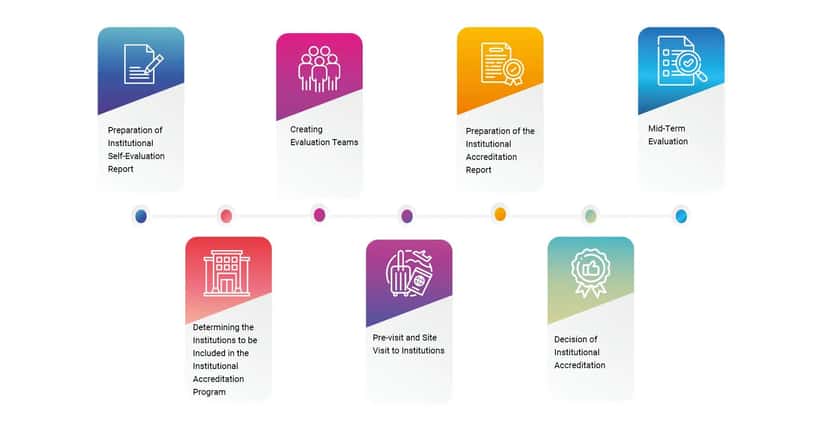
Accreditation is one of the most important parts of quality assurance in education.
It confirms that an institution meets specific academic, administrative, and operational standards.
What Accreditation Means
Accreditation is a formal recognition that:
An institution meets defined quality standards
Its programs are credible and structured
Students receive recognized qualifications
Institutions like Bloomsbury Institute London operate within regulated frameworks that ensure accountability and transparency in academic delivery.
For an official overview of how academic quality is maintained and reviewed in the UK, refer to frameworks developed by the Quality Assurance Agency for Higher Education. These outline how institutions are assessed against national standards and expectations.
Why Accreditation Matters
It builds trust with students and employers
It ensures qualifications are recognized
It maintains academic credibility
Academic Benchmarks and Grading Systems
Academic benchmarks define performance levels.
They answer a simple question:
How do we know if a student has performed well?
Common Benchmark Elements
Grade classifications
Pass and fail criteria
Credit systems
Learning outcomes
At Bloomsbury Institute London, grading systems are structured to clearly communicate student achievement and academic progress.
Example of Grading Structure
Grade Level | Description |
Distinction | Excellent performance |
Merit | Strong performance |
Pass | Satisfactory performance |
Fail | Below required standard |
Why benchmarks matter:
They ensure fairness
They make results comparable
They define academic expectations clearly
Without benchmarks, grading becomes subjective and inconsistent.
Institutional Quality Policies
Quality policies define how institutions maintain academic standards.
They provide a structured approach to ensure:
Consistency in course delivery
Clear academic expectations
Transparent communication
To understand how academic structures translate into real teaching improvements, read: Data Driven Teaching: Using Academic Reports to Improve Learning
Key Features of Quality Policies
Clear academic guidelines
Defined assessment structures
Transparent student support systems
Accessible institutional information
These policies help create a stable and predictable learning environment.
Internal vs External Quality Assurance Systems

Quality assurance works at two levels. You need both to maintain credibility.
Internal Quality Assurance
Internal systems operate within the institution.
They focus on:
Maintaining academic standards
Ensuring consistency in delivery
Monitoring academic processes
At Bloomsbury Institute London, internal systems ensure that academic policies and student services remain consistent and transparent.
External Quality Assurance
External systems come from outside organizations.
They ensure:
Institutions meet national standards
Academic quality is independently verified
Public trust is maintained
External frameworks are essential because internal systems alone are not enough.
Comparison Table: Internal vs External Systems
Aspect | Internal QA | External QA |
Control | Within institution | Independent bodies |
Purpose | Maintain consistency | Verify standards |
Focus | Policies and processes | Compliance and credibility |
Outcome | Stable academic delivery | Public trust and recognition |
How Academic Standards Define Quality
Quality in education is not based on opinions. It is based on standards.
Quality assurance in education ensures:
Consistent academic expectations
Reliable grading systems
Recognized qualifications
Transparent institutional practices
Without these, education loses structure and value.
Real Institutional Perspective
Institutions like Bloomsbury Institute London focus on providing:
Clear academic frameworks
Transparent service delivery
Defined student expectations
These elements help students understand their academic journey and the standards they are expected to achieve.
Common Misunderstandings About Academic Standards
Most people misunderstand how standards work.
Here are common mistakes:
Thinking standards are optional
Confusing quality with reputation
Ignoring the role of external systems
Assuming all institutions follow the same benchmarks
These misunderstandings lead to poor decisions when choosing education providers.
SGE Support for Students
Choosing a university is not just about location or cost. It is about whether the institution follows recognized academic standards and quality assurance systems that protect the value of your qualification.
Shabuj Global Education helps you make that decision with clarity, not assumptions.
University quality guidance so you avoid low-standard institutions
Course selection support based on structured academic frameworks
Accurate application assistance aligned with institutional requirements
Offer letter evaluation so you understand what you are accepting
UK student visa guidance with correct documentation
Study readiness preparation for structured academic environments
You are not just applying to study, you are choosing the quality of your future qualification.
Final Support Message
If you are serious about studying abroad, do not rely on rankings or marketing claims alone.
Talk to Shabuj Global Education before making your final decision.
Avoid low-quality or unrecognized academic pathways.
Choose institutions based on real academic standards.
Explore more
Frequently Ask Question



.png&w=256&q=60)