Academic Quality Assurance | Study Abroad – UK
Continuous Improvement Strategies to Improve Learning Outcomes
2 minutes of reading time
This guide explains how continuous improvement in education works t...
Summary
This guide explains how continuous improvement in education works through structured cycles, curriculum updates, feedback loops, and long-term strategies aimed at improving learning outcomes.
Education does not improve in a single step. It develops through continuous refinement over time. Institutions adjust systems, update practices, and improve learning environments to enhance student success.
This process is known as continuous improvement in education.
Improvement Cycles That Drive Progress
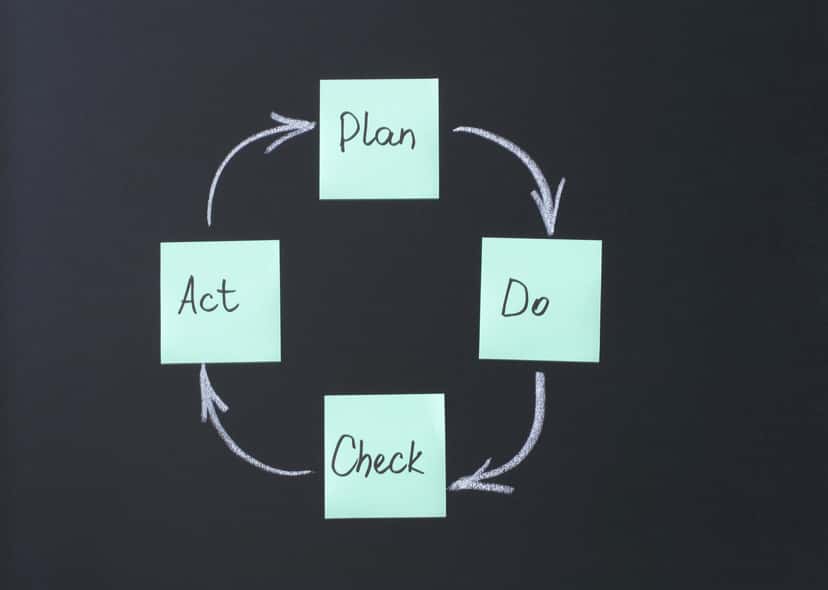
Educational improvement follows a repeating cycle. It is not a one-time action but a structured loop that helps institutions stay relevant and effective.
The core cycle includes:
Plan: Set direction for academic enhancement
Do: Implement learning activities and updates
Review: Observe outcomes and classroom effectiveness
Improve: Refine based on what works and what does not
This cycle repeats continuously to support long-term development.
The strength of education systems depends on how consistently this cycle is applied.
Curriculum Updates for Better Learning
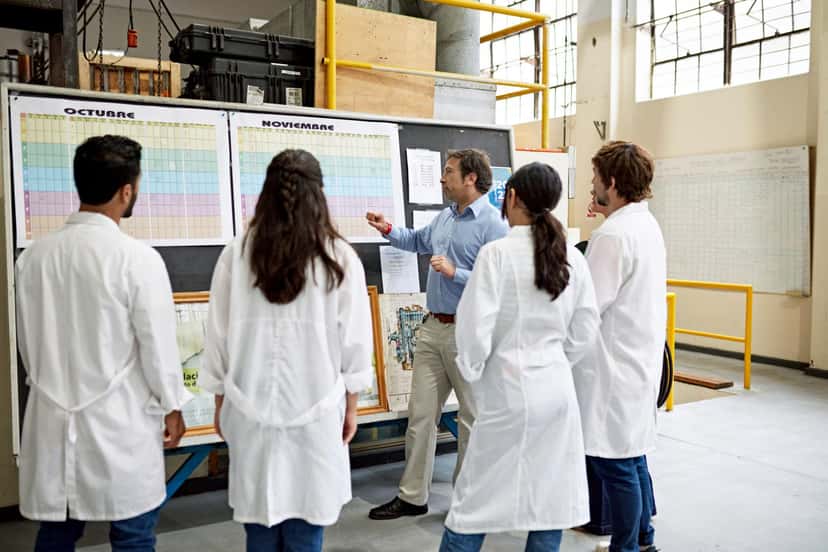
One of the key drivers of continuous improvement in education is updating curriculum content over time.
Curriculum changes help institutions stay aligned with modern learning needs.
Common areas of update include:
Course content relevance
Learning materials and resources
Teaching approaches within subjects
Integration of new knowledge areas
Curriculum updates ensure students are not learning outdated information.
Without regular updates, learning becomes disconnected from real-world expectations.
Policy Changes That Shape Long-Term Growth
Educational institutions evolve through structured policy changes. These adjustments help improve learning environments gradually.
Policy improvements often focus on:
Academic delivery structure
Student support systems
Teaching quality expectations
Institutional learning goals
These policies are not changed frequently but are refined over time based on institutional direction.
Strong institutions treat policy evolution as a long-term investment.
Feedback Loops That Strengthen Learning

Feedback is a core driver of improvement. It creates a connection between experience and future action.
In continuous improvement in education, feedback is used to guide adjustments in learning systems.
Feedback usually focuses on:
Student learning experience
Teaching effectiveness
Course clarity and structure
Learning environment quality
This feedback is then used to refine academic delivery.
Without feedback loops, improvement turns into guesswork rather than structured development.
Long-Term Institutional Development
Improvement is not about short-term fixes. It is about building systems that grow stronger over time.
Long-term improvement focuses on:
Stability in academic delivery
Gradual enhancement of learning outcomes
Sustainable institutional practices
Continuous refinement of learning environments
Institutions such as Bloomsbury Institute London apply structured academic systems that evolve over time to support student success and consistency.
Long-term thinking is what separates stable institutions from unstable ones.
How Improvement Cycles Work Together
All improvement elements are connected. They do not work separately.
Element | Purpose in Improvement Process |
Improvement cycle | Structure of progress |
Curriculum update | Content relevance |
Policy change | Institutional direction |
Feedback loops | Real-world refinement |
Long-term planning | Sustainability |
When combined, these elements create a stable improvement system.
Internal Learning Path
To understand how improvement connects with academic systems, you can explore:
Academic Reports Improving Teaching Quality
This helps connect improvement thinking with academic structure development.
Why Continuous Improvement Matters
Many institutions fail not because of weak teaching, but because they stop improving.
Continuous improvement ensures:
Learning stays relevant
Teaching remains effective
Systems adapt to change
Students benefit from updated methods
Without continuous improvement, even strong systems become outdated.
Common Misunderstandings
People often misunderstand how improvement works in education.
Common mistakes include:
Thinking improvement happens instantly
Believing one change fixes everything
Ignoring long-term development cycles
Expecting fixed systems in a changing environment
In reality, continuous improvement in education is ongoing and never fully complete.
Final Insight
Education improves over time through continuous changes, not one-time fixes. Institutions that regularly review and refine their systems deliver more consistent learning outcomes.
If you choose without understanding how these systems work, you risk making the wrong decision. Shabuj Global Education helps you choose the right course and institution based on real academic insight.
Start your consultation today and make a smarter study decision.
Explore more
Frequently Ask Question



.png&w=256&q=60)