Careers & Job Opportunities | International Student Support
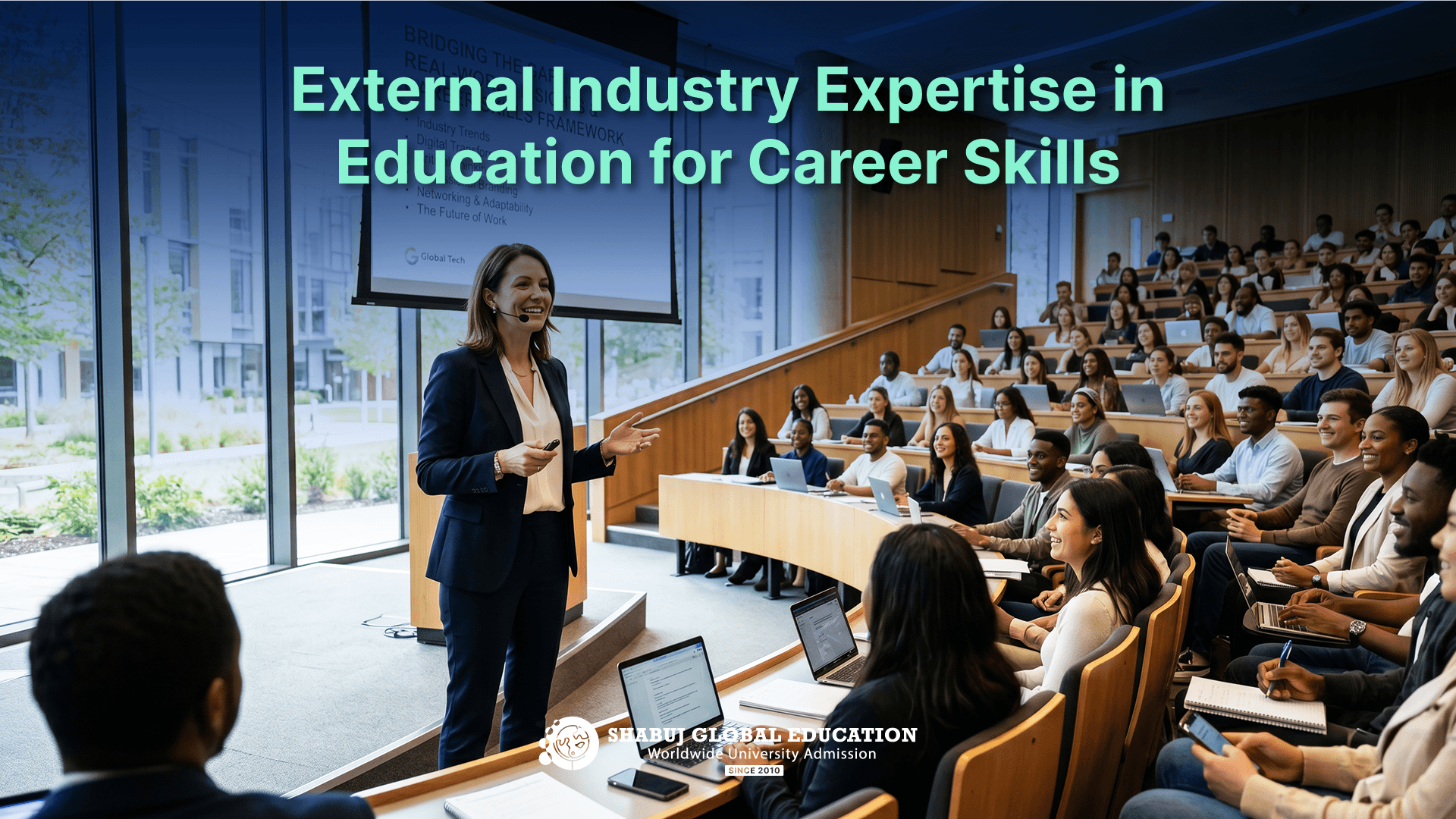
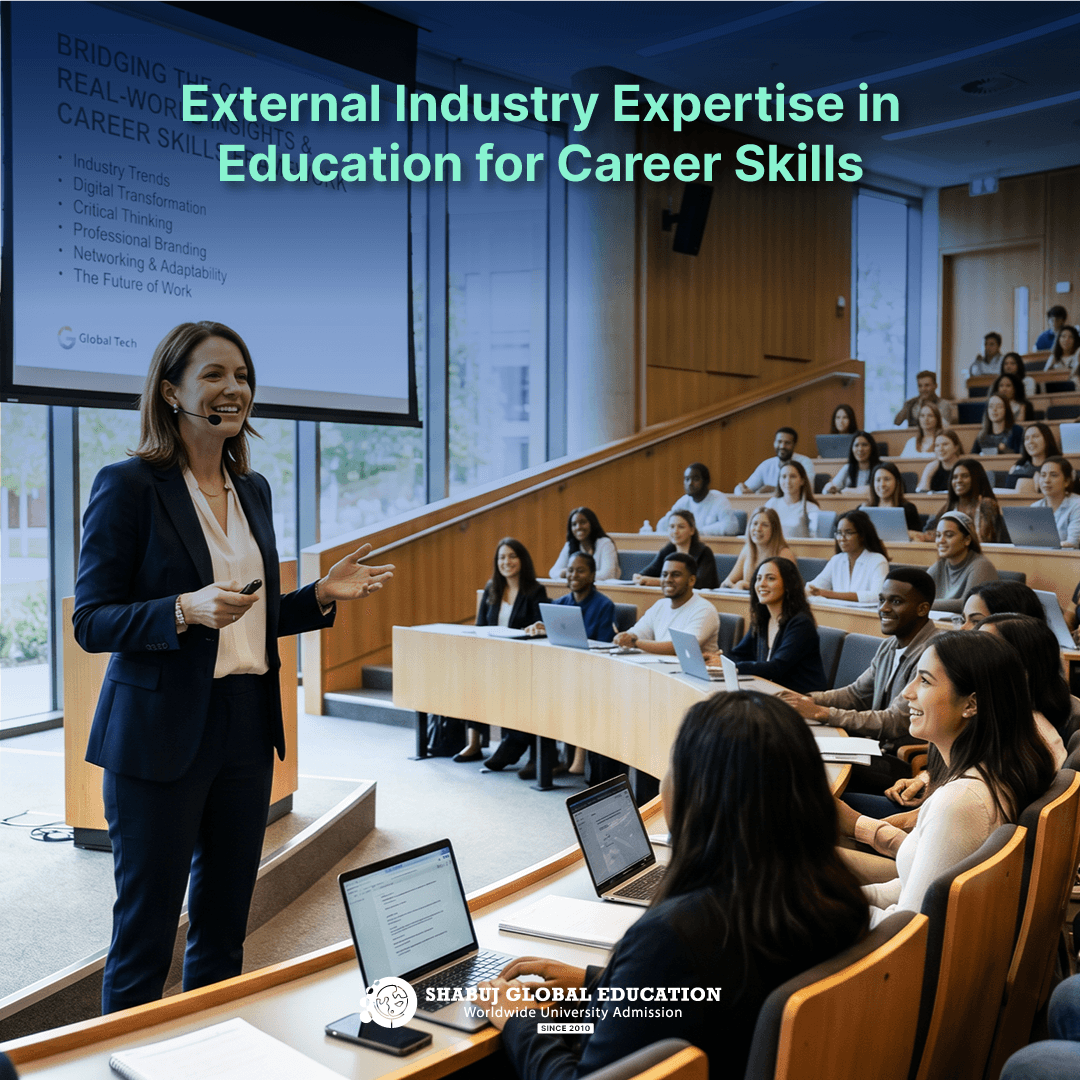
External Industry Expertise in Education for Career Skills
2 minutes of reading time
This blog explains how involving industry professionals in educatio...
Summary
This blog explains how involving industry professionals in education helps students develop practical skills, stay job-ready, and connect classroom learning with real-world careers. It also highlights different types of industry involvement and why they are important in today’s job market.
Apply for a UK Scholarship with Expert Guidance – Contact Us Today
Education today is no longer just about theory. Employers expect graduates to be prepared for real-world work from day one. This shift has made external industry expertise an important part of modern education.
Rather than relying solely on academic teaching, institutions now involve industry professionals in the learning process. This helps create a strong link between what students learn and the skills employers require.
At institutions like Bloomsbury Institute London, this approach is not simply an addition to the curriculum. It is integrated into the design and delivery of courses.
What Is External Industry Expertise in Education?

External industry expertise refers to the involvement of professionals from outside academia in the education system. These individuals bring current, real-world knowledge into the classroom, helping students understand how theory applies in practice.
Rather than replacing academic learning, this model strengthens it. Students gain both foundational knowledge and practical understanding, making their education more relevant and career-focused.
How Industry Expertise Is Applied in Education
External expertise is not a single approach. It involves a range of contributions that work together to enhance the learning experience. Each plays a specific role in improving learning outcomes while keeping education aligned with real-world demands.
Industry Experts: Provide insights into current tools, practices, and challenges
External Advisors: Help institutions update courses based on industry changes
Employers: Highlight the skills and qualities required in the job market
Guest Speakers: Share real experiences that connect learning with careers
Each of these elements supports a larger goal, making education more practical, relevant, and career-driven.
Why Modern Education Requires Industry Input
.jpeg&w=828&q=60)
The global job market is evolving faster than traditional education systems. Employers are no longer satisfied with graduates who only understand theory. They want individuals who can apply knowledge in real situations.
Research from the World Economic Forum shows that future jobs increasingly demand a combination of technical knowledge, problem-solving ability, and adaptability, highlighting the growing gap between academic learning and real-world skills.
This gap is exactly what industry expertise in education is designed to solve.
Types of Industry Expertise in Education
External professionals contribute to education in a variety of ways. Each type plays a different role in improving student learning.
1. Industry Experts
These professionals bring current knowledge from their fields. They help students understand trends, tools, and real challenges.
Read more: Industry Experts in Teaching for Practical Skills Development
2. External Advisors
Advisors help institutions keep courses relevant. They guide curriculum updates based on industry needs.
Learn more: External Advisors Improving Course Quality and Relevance
3. Employers
Employers provide insight into the skills students need for jobs. This helps align education with career requirements.
Explore more: Employer Collaboration for Job-Ready Graduate Skills
4. Guest Speakers
Guest speakers share real experiences from the workplace. They give students a clear idea of industry expectations.
Discover more: Guest Speakers Bringing Real Industry Insight to Students
How Bloomsbury Institute London Applies This Approach
This is where many institutions fall short, and where Bloomsbury sets itself apart.
Rather than treating industry input as occasional, Bloomsbury integrates it into the core learning model:
Courses are designed with employability in mind
Learning focuses on applying knowledge, not just understanding it
Students are prepared for professional environments, not just exams
Curriculum stays aligned with current industry expectations
This structured approach ensures that students graduate with skills that are directly relevant to their careers.
Traditional vs Industry-Focused Education
Aspect | Traditional Education | Industry-Focused Education |
Learning Style | Theory-heavy | Balanced (theory + application) |
Skill Development | Limited practical exposure | Job-ready skills |
Course Relevance | Can become outdated | Continuously updated |
Career Preparation | Basic readiness | Strong career alignment |
Student Engagement | Moderate | High |
This shift reflects a broader change in how education is expected to function in a competitive global job market.
Not sure which scholarship fits you?
Get a Free Consultation with our UK Education Experts.
Support for Bangladeshi Students
For students planning to study in the UK, navigating applications, documentation, and visa processes can be complex.
Shabuj Global Education (SGE), the official exclusive partner of Bloomsbury Institute London, provides structured support including:
Application and admission guidance
Program selection advice
Documentation and communication support
Pre-CAS interview preparation
Visa assistance
Step-by-step process guidance
This ensures students can focus on their academic goals without getting lost in administrative challenges.
How It All Works Together
External industry expertise is not a single feature. It is a connected system that combines:
Academic learning
Industry knowledge
Skill development
Career preparation
When these elements work together, education becomes more than just a qualification. It becomes a direct pathway to employment.
Final Thoughts
Industry expertise in education is no longer optional. It is essential. Students who develop both academic knowledge and practical skills are better prepared to succeed in today’s competitive job market.
Choosing an institution that actively incorporates industry expertise into its teaching can have a significant impact on future career opportunities and outcomes.
Ready to study in the UK with a career-focused approach?
Get expert guidance and start your application journey today.
Explore more
Frequently Ask Question