Accommodation | Study Abroad – UK
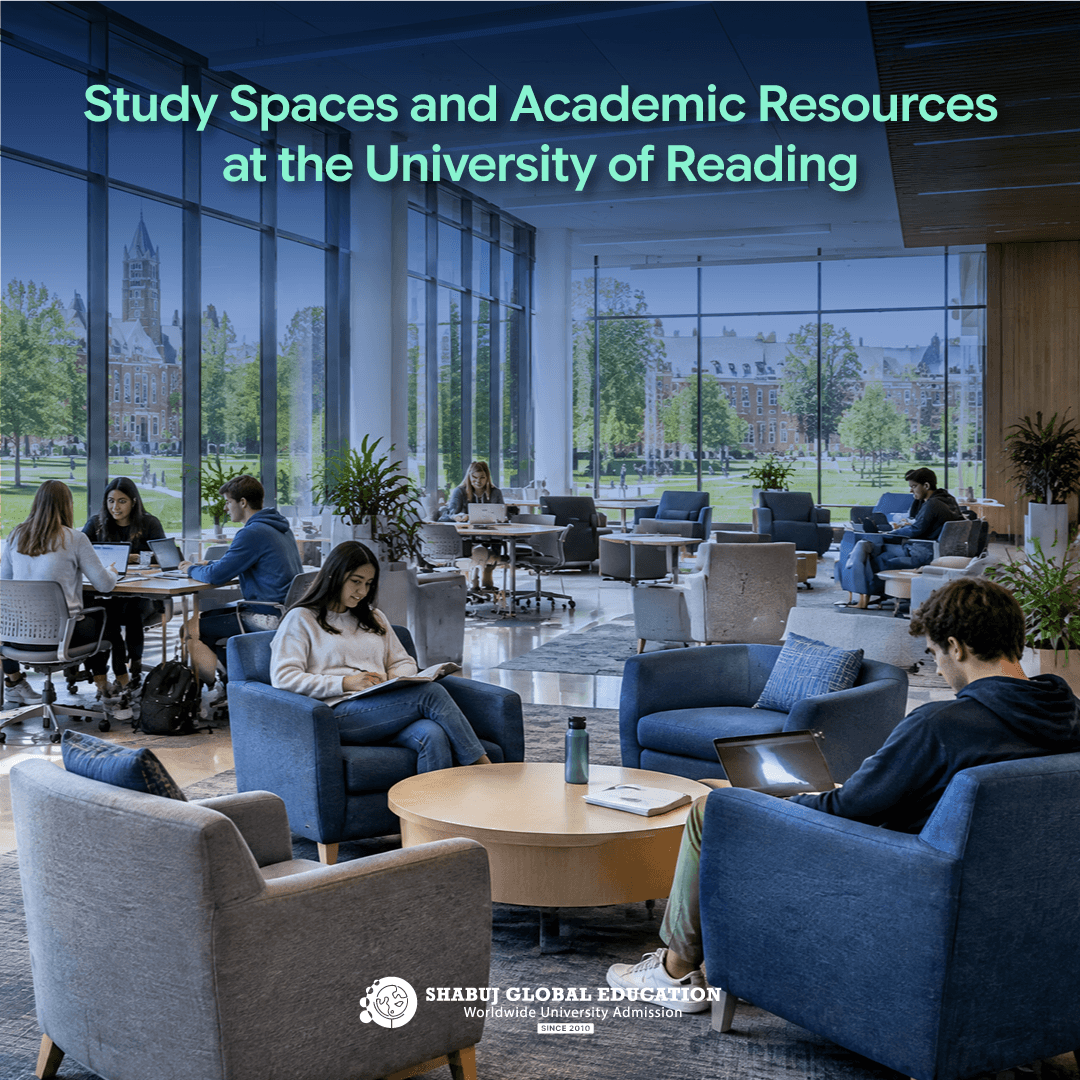
Study Spaces and Academic Resources at the University of Reading

2 minutes of reading time
Explore University of Reading study spaces and academic resources, ...
Summary
Explore University of Reading study spaces and academic resources, including quiet study areas, group rooms, computer facilities, printing services and campus learning environments.
Finding the right place to study can make university life more organised and productive. The University of Reading study spaces offer different environments where students can work independently, collaborate with classmates and access facilities for academic tasks. Understanding these options can help international students prepare for their studies and build a comfortable learning routine.
For a broader overview of the university's academic facilities, Library collections, digital resources and student learning support, explore our guide to University of Reading Library and Study Resources.
Exploring University of Reading Study Spaces

The University of Reading provides a variety of study environments across its campuses. Students can find individual study areas, quiet spaces, group facilities and computer-equipped locations.
These facilities are not limited to the main University Library. Students can also use designated areas in academic buildings and other campus locations.
The university's Whiteknights and London Road campuses have different spaces for independent learning and collaborative activities. Many locations are open to all students, even when they are situated inside buildings used by particular academic departments.
The university provides an interactive campus study-space map to help students find suitable locations. It includes information about individual spaces, photographs and opening times.
Study Areas Inside the Main Library
The main Library on Whiteknights campus provides several types of study areas across its floors. Students can choose a location based on the type of work they need to complete.
The official Library study-area guidance identifies the following options:
Library floor | Study facilities |
Ground Floor | Quiet study area and Holds area |
First Floor | PC area and eight bookable group study rooms |
Second Floor | Group study area, pods and individual desks |
Third Floor | Quiet study area |
Fourth Floor | Group study area, pods and individual desks |
Fifth Floor | Silent study area and some PCs |
These arrangements allow students to choose between individual work and collaborative activities.
The third floor is particularly useful for students who prefer a quiet environment. Students who need complete silence can use the designated silent study area on the fifth floor.
The first-floor group study rooms are designed for groups of two or more people. They can be booked, although unbooked rooms may be used on a first-come, first-served basis.
It is worth checking current arrangements before visiting because study areas can change during busy assessment periods.
Other Study Locations Across Campus
Students do not always need to use the main Library. The University of Reading also provides study areas in different campus buildings.
According to the university's campus study-space information, locations include:
Edith Morley: Café lobby, tower staircase lobbies and Van Emden lobby.
Palmer Building: PC laboratories and foyer areas.
Chemistry Building: A designated study room and lobby spaces.
Polly Vacher Building: Study room and foyer.
Agriculture Building: PC laboratory, café and lobby areas.
Meteorology Building: PC laboratory and foyer spaces.
Students' Union: Café, seating areas and dedicated student study facilities.
ICMA: Café, foyer and landing areas.
These locations give students more flexibility when planning their academic day.
Some facilities are available only when teaching is not taking place. Students should check the university's interactive study-space map before travelling to a particular building.
Individual, Group and Collaborative Learning Facilities
Different academic tasks require different learning environments. A student preparing for an examination may prefer a quiet desk, while a group working on a presentation may need a space where discussion is allowed.
The University of Reading study facilities support these different learning preferences.
Individual and Quiet Study Environments
Individual study areas are useful for students who need to concentrate on assignments, reading or revision.
The Library provides designated quiet areas on several floors, while the fifth floor is intended for silent study.
Students can also explore individual study spaces across the Whiteknights and London Road campuses.
The university's campus study areas are not all located in traditional classrooms. Some are found in building foyers, café areas and other shared locations.
These options can be useful when students want to study between lectures without returning to the main Library.
Group Study Spaces and Room Bookings
Group study facilities allow students to work together on academic activities.
At the main Library, the first-floor group study rooms provide bookable facilities for groups of two or more. There are also designated group study areas and pods on other floors.
The university also allows students to request teaching rooms for course-related activities, including:
Group coursework and project discussions.
Presentation preparation and practice.
Collaborative revision sessions.
Other university-related academic activities.
Student room bookings are generally available from 9:00 am to 6:00 pm, Monday to Friday. Rooms include a PC and display facilities.
Students should provide at least two working days' notice when requesting a room. Availability depends on university teaching and other activities, so a booking is not guaranteed.
The university also permits students to use empty teaching rooms for quiet study, provided they leave if someone with a formal booking arrives.
The Global Study Lounge
The Global Study Lounge at Whiteknights campus provides another option for students who want to combine studying with social interaction.
It is designed to bring home and international students together and encourage intercultural understanding.
Facilities include:
Group study desks with power outlets.
Coffee-shop-style seating.
Sofas for informal activities.
Private bookable pods with display screens.
This space can be useful for students who want to meet classmates, work together or become more involved in the university's international community.
Computer Facilities and Academic Learning Resources
Access to computers and suitable technology is important for completing university coursework. Students often need to prepare presentations, write reports, access online learning platforms and manage academic documents.
The University of Reading provides computer facilities and IT resources across its campuses.
Computer Access and IT Facilities
The main Library has more than 140 computers managed by Digital Technology Services. Most are located on the first floor, with additional computers available elsewhere in the building.
Students can use these computers with a valid University of Reading username and password.
Other campus PC laboratories provide additional computing facilities. Their availability may depend on teaching schedules and access arrangements.
The university also provides IT support for students who need help with:
Connecting to campus Wi-Fi.
Accessing university email.
Installing or using Microsoft Office software.
Resetting university passwords.
Using university computers.
Finding available PCs across campus.
Accessing laptop loan services.
These facilities can support everyday academic tasks, from preparing written assignments to creating presentations.
Students can also explore Microsoft Education resources to learn more about digital tools that support document creation, collaboration and everyday academic tasks.
Printing, Scanning and Digital Coursework
Students may sometimes need printed documents for academic activities. The university provides printing, copying and scanning facilities through its multifunctional devices.
Print Hubs are available on the first, second, third and fourth floors of the Whiteknights Library. Additional printers are located in other university buildings.
Students can send documents from university computers and collect their printing from an available device using their Campus Card.
These facilities can be useful when preparing printed coursework, scanning documents or organising materials for presentations.
Students should check the university's current printing charges and instructions before using the service.
Academic Resources for Independent Learning
Physical study spaces are only one part of the university's learning environment. Students also need academic resources that help them understand course topics and complete independent work.
The University of Reading provides Study Advice materials, including guides and videos that cover different academic skills.
These resources can help students develop their approach to:
Academic writing and essay preparation.
Assignment planning and organisation.
Examination preparation.
Referencing and citation.
Independent learning and study techniques.
Students can use these resources alongside their lectures and course materials.
For more detailed information about borrowing books, electronic journals, databases and specialist Library assistance, read our supporting guide: Library Services at the University of Reading.
Making the Most of Study Facilities as an International Student
For international students, adjusting to a new university environment involves understanding where to study and how to use the available facilities.
The University of Reading study spaces offer several options for building a suitable academic routine.
Here are some practical suggestions:
Explore the campus early: Familiarise yourself with the main Library and other study locations.
Use the study-space map: Check available facilities, photographs and opening times before visiting.
Choose spaces based on your tasks: Use quiet areas for individual assignments and designated group spaces for discussions.
Check computer availability: Identify nearby PC laboratories if you need access to university computers.
Plan group activities: Arrange room bookings early when your coursework requires a dedicated space.
Explore academic resources: Use Study Advice materials to improve your writing, planning and revision techniques.
Check access arrangements: Do not assume that every building or study facility is open at all times.
Students should also remember that campus facilities may become busier during examinations and assessment periods. Having alternative study locations can make it easier to manage busy academic schedules.
Prepare for Your UK Studies with SGE
Understanding university facilities is an important part of preparing for higher education. However, choosing the right course and completing the admission process are equally important.
Shabuj Global Education (SGE) supports Bangladeshi students who want to study in the UK.
Our guidance includes:
Course Selection: Explore programmes that match your academic background and future goals.
Application Support: Get assistance with document checks and personal statement preparation.
Admission Guidance: Understand university entry requirements and application procedures.
Visa and Pre-Departure Support: Prepare for your UK student visa process and departure.
Whether you are planning an undergraduate or postgraduate degree, SGE can help you understand your study options and prepare your application.
Ready to explore your UK university options?
Contact Shabuj Global Education for guidance with your application.
Find Your Ideal Study Environment
The University of Reading offers different study environments, from individual and silent study areas to collaborative facilities, computer laboratories and campus learning spaces. Exploring these options can help students find suitable places for coursework, revision and group projects. For international students, becoming familiar with these facilities early can make university life easier to manage and support a more organised approach to learning.
Explore more
Frequently Ask Question