Accommodation | Study Abroad – UK
University of Reading Library and Study Resources
2 minutes of reading time
Explore the University of Reading library and study resources, incl...
Summary
Explore the University of Reading library and study resources, including physical and digital learning materials, academic guidance, individual study areas and group study facilities.
Choosing a university is not only about finding the right course. Students also need access to quality learning materials, suitable study environments and academic resources that support their education. The University of Reading library and study resources provide different opportunities for students to research, prepare assignments and develop independent learning skills throughout their degrees.
For international students, understanding these facilities before arriving in the UK can make the transition to university life easier. From physical library collections to digital academic materials and study spaces, the University offers several resources to support students during their studies.
Understanding Library and Learning Facilities

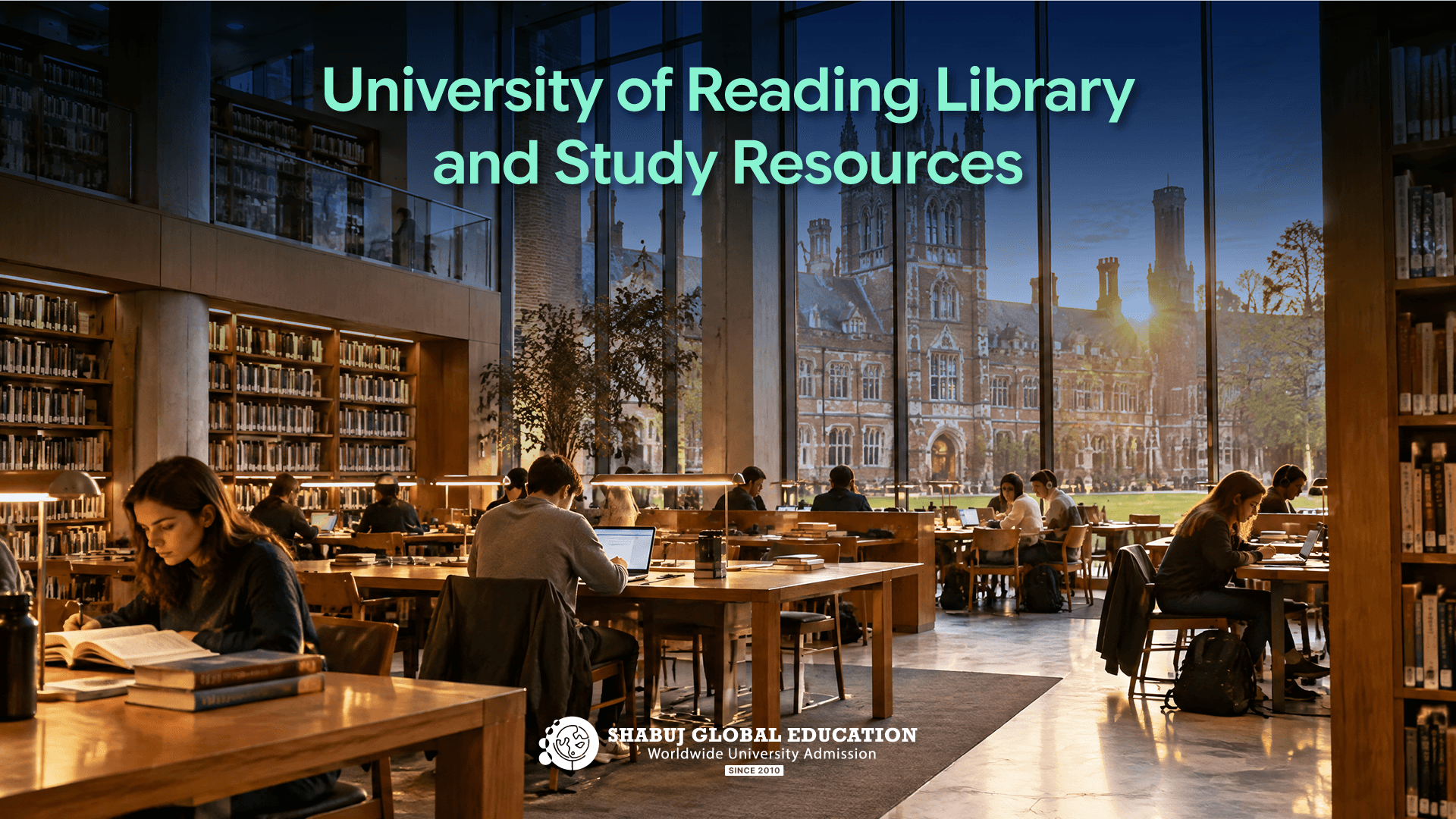
The University of Reading provides a range of academic facilities designed to support teaching, learning and research. Its main Library is an important part of the university's learning environment, giving students access to information, academic materials and different study facilities.
Located on the Whiteknights campus, the main Library is a central place for students who need to read, research, prepare coursework or study independently.
The Library supports different learning needs through physical and electronic resources. Students can use these materials to explore their subjects, understand academic topics and find relevant information for assignments.
The university also provides learning facilities outside the main Library. Students can explore study areas across campus, making it possible to find suitable places for individual work, group discussions and revision.
These facilities are useful because university study involves more than attending lectures. Students are expected to conduct research, complete independent tasks and develop their understanding of different subjects.
The Role of the Main University Library
The University of Reading Library plays an important role in supporting students throughout their academic journey.
It provides access to a wide range of information resources and offers different environments for studying. Students can use the Library when preparing assignments, reviewing lecture topics, conducting research or revising for examinations.
The Library also connects students with academic support through subject guidance and study-related resources.
For example, students can explore subject guides to identify useful academic materials for their courses. They can also find information about referencing, research techniques and effective study practices.
The Library is therefore more than a place to borrow books. It is an important academic resource that helps students develop the skills needed for university-level education.
Academic and Digital Resources at Reading
Access to reliable information is essential for completing university assignments and developing subject knowledge. The University of Reading provides both physical and digital learning resources to help students find relevant academic information.
These resources allow students to explore different subjects, prepare coursework and continue learning outside classroom sessions.
Physical Library Resources
The main Library provides access to printed academic materials and other physical resources. These materials can help students understand their subjects through textbooks, reference materials and other relevant publications.
Depending on their course and research requirements, students may use physical resources for:
Reading recommended textbooks and academic publications.
Exploring additional information about specific topics.
Preparing coursework and written assignments.
Supporting independent research.
Reviewing subject-related information before examinations.
The University also provides subject-based guidance to help students identify relevant materials.
Instead of searching through large collections without direction, students can use the available academic guidance to find information related to their study areas.
Digital Learning Materials and Online Resources
Digital resources are another important part of the University of Reading learning environment.
Students can access electronic academic materials and online research resources through the Library's digital services. These resources are particularly useful when students need information outside the physical Library building.
The university provides access to different online resources, including:
Electronic books and academic publications.
Online journals and research materials.
Subject-specific academic databases.
Online dictionaries and encyclopaedias.
Referencing and reference management tools.
Study guides and educational videos.
The Library also provides databases organised by subject. This helps students identify resources that are relevant to their academic programmes.
Digital resources can make research more convenient because students do not always need to visit the physical Library to find academic information.
However, access arrangements may differ depending on the resource. Students should follow the university's instructions and use their university login where required.
Learning Resources for Coursework and Assignments
University assignments often require students to collect information, evaluate different sources and present their findings clearly.
The University of Reading provides resources that can help students develop these skills.
Its Study Advice materials include guides and videos covering areas such as academic writing, essay preparation, referencing and examination preparation.
Students can use these materials to understand academic expectations and improve their approach to independent study.
Other useful learning resources include:
Subject guides: Help students discover relevant academic information for their subjects.
Referencing tools: Support students in organising and managing academic references.
Study guides and videos: Explain important academic skills and study techniques.
Academic liaison support: Helps students identify appropriate resources for their subject areas.
Students who want additional guidance can also exploreScribbr's academic writing and research resources. These materials cover academic writing, research and referencing, which can help students understand common university assignment requirements.
Using these resources regularly can help students become more confident when researching topics and preparing assignments.
Reading Study Facilities and Learning Environments
A suitable study environment can make a difference to how students manage their academic responsibilities. Some students prefer quiet places where they can concentrate, while others benefit from working with classmates.
The University of Reading offers different study environments across its campuses to support these preferences.
Individual and Collaborative Study Opportunities
The main Library provides different types of study areas, including individual and group study facilities.
Students can choose an environment according to the work they need to complete.
For example:
Individual study: Suitable for reading, writing assignments and independent research.
Quiet study: Useful when students need fewer distractions.
Group study: Allows students to discuss coursework and work together on projects.
Computer-equipped areas: Provide access to university computing facilities where available.
Students can also explore other campus study spaces. The university identifies different locations across its Whiteknights and London Road campuses.
Some of these spaces are available to all students without booking. However, specific facilities and access arrangements can vary between locations.
Students should check the university's study-space information before visiting a particular area.
Learning Beyond the Main Library
The University of Reading's academic environment is not limited to one building.
Students can find additional study areas across campus, allowing them to choose different surroundings depending on their daily schedules and learning preferences.
These spaces can be useful between lectures, during revision periods or when students want to work away from their usual study location.
The university also provides room-booking arrangements for certain teaching rooms when students need space for activities such as group projects or presentation practice.
Availability, booking requirements and access times depend on the type of room and university arrangements.
Exploring the available facilities can help students develop a practical study routine throughout the academic year.
Overview of Library and Study Resources at Reading
The following table summarises some of the academic resources and facilities students may use during their studies.
Resource Type | What Students Can Access | How It Helps |
Physical Library | Printed books, textbooks and reference materials | Supports reading, research and assignment preparation |
Digital Resources | E-books, online journals and academic databases | Provides access to academic information online |
Subject Guides | Course-related academic resources and research guidance | Helps students find relevant information |
Study Advice | Academic writing, referencing and examination guides | Develops independent learning skills |
Individual Study Spaces | Quiet areas for personal study and revision | Helps students concentrate on academic tasks |
Group Study Facilities | Collaborative study areas and group spaces | Supports teamwork and coursework discussions |
Computer Facilities | University computing facilities where available | Helps students access digital learning resources |
Note: Facilities, availability and access arrangements may vary across university locations.
How Students Can Use These Study Resources
Moving to the UK for higher education involves adjusting to a different academic environment. International students may experience new teaching methods, independent research requirements and different expectations for coursework.
The University of Reading library and study resources can help students become familiar with these academic responsibilities.
Here are some practical ways to make effective use of the available facilities:
1. Explore the Library early
Visit the main Library after arriving on campus. Familiarise yourself with its layout, available collections and different study environments.
2. Use online resources regularly
Explore electronic books, journals and subject databases when preparing assignments. These resources can help you find academic information without depending entirely on printed materials.
3. Develop academic writing skills
Use the university's Study Advice guides and videos to understand academic writing, referencing and assignment preparation.
4. Find suitable study environments
Try different study locations to identify where you can concentrate best. You may prefer individual study areas for assignments and group spaces for collaborative projects.
5. Ask for academic guidance
Use the available subject guidance and Library support when you are unsure where to find appropriate academic information.
For students who are new to the UK education system, learning how to research independently and reference academic sources correctly is particularly important.
Making use of these resources from the beginning can help students adjust to university-level learning more effectively.
Things to Know Before Using University Resources
Before using the University of Reading's academic facilities, students should understand a few practical points.
Library access: Students should follow the university's membership and access arrangements.
Opening hours: Library opening hours can vary depending on the day and academic period. Check the latest information before visiting.
Digital access: Some online resources require university login details.
Study spaces: Different campus locations have different facilities and access arrangements.
Room bookings: Certain rooms require advance booking and may have specific availability conditions.
Academic guidance: Students should explore subject guides and available study support when they need help finding learning materials.
It is also worth checking the university's official student information pages after enrolment, as access instructions and facility arrangements may change.
Explore the Supporting University of Reading Guides
Understanding the overall learning environment is a useful first step. However, students may also want more detailed information about particular facilities.
Our supporting guides explore two important areas:
Library Services at the University of Reading: A closer look at library services, available resources and the support students can access.
Study Spaces and Academic Resources at the University of Reading: More information about individual study areas, collaborative environments and academic learning facilities.
These guides help students understand how to make better use of the university's learning environment.
Prepare for Your University of Reading Journey with SGE
Understanding university facilities is an important part of preparing for higher education in the UK. However, choosing a suitable course, understanding entry requirements and completing the admission process are equally important.
Shabuj Global Education (SGE) supports Bangladeshi students who want to study in the UK.
With guidance throughout the application journey, students can receive assistance with:
Course Selection: Identify suitable programmes based on academic backgrounds and future goals.
Application Support: Get help with application documents and personal statement preparation.
Admission Guidance: Understand university requirements and application procedures.
Visa and Pre-Departure Support: Receive guidance to prepare for the next steps of studying in the UK.
Whether you are exploring undergraduate or postgraduate opportunities, getting the right guidance can help you make informed decisions.
Ready to explore your UK study options?
Contact Shabuj Global Education for guidance with your university application.
Make the Most of Your University Experience
The University of Reading offers a learning environment supported by its main Library, physical and digital academic materials, study spaces and academic guidance.
Understanding how these resources work can help students prepare for independent learning, complete coursework and adjust to university life. For international students, exploring these facilities early can make the transition to studying in the UK more manageable.
Explore more
Frequently Ask Question