Accommodation | Study Abroad – UK
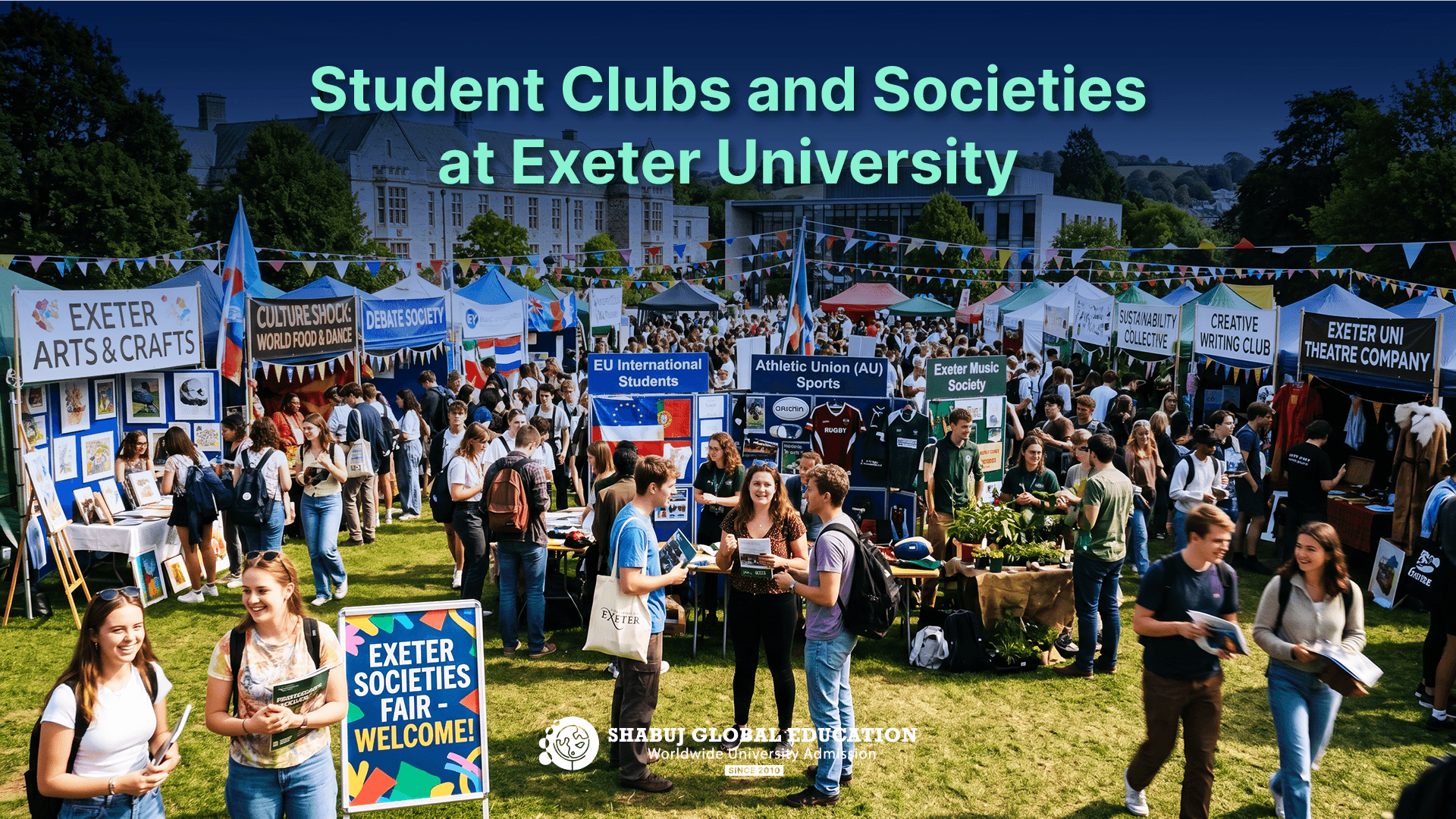
Student Clubs and Societies at Exeter University

2 minutes of reading time
This guide explains how student clubs and societies can help you ma...
Summary
This guide explains how student clubs and societies can help you make new friends, develop leadership skills, gain valuable experience, take part in volunteering opportunities, and enjoy a more rewarding university life.
Apply for a UK Scholarship with Expert Guidance – Contact Us Today
University life is about more than attending lectures and completing assignments. Getting involved in clubs and societies is a great way to meet new people, learn new skills, and make the most of your time at university.
The University of Exeter offers a wide variety of student societies covering academic interests, cultural communities, sports, volunteering, and hobbies. This guide explores the benefits of joining Exeter student societies, how to get involved, and the positive role they play in creating a rewarding student life experience.
Why Joining Societies Matters

One of the best ways to get involved in university life is by joining student societies.
Societies help students:
Meet people with similar interests
Learn new skills
Build confidence
Explore hobbies
Create professional networks
Develop leadership abilities
Many students find that society involvement becomes one of the most memorable parts of their university journey.
Participating in Exeter student activities can also improve wellbeing by helping students maintain a healthy balance between academic work and social life.
Academic Societies
Academic societies allow students to explore subjects beyond the classroom.
These societies often organize:
Guest speaker events
Industry networking sessions
Career workshops
Academic discussions
Study support activities
Benefits of Academic Societies
Students who join academic groups can gain valuable insights into their future careers.
Benefits include:
Improved subject knowledge
Networking opportunities
Career preparation
Professional development
Access to industry professionals
Academic societies often bring together students from different year groups, creating opportunities for mentoring and peer support.
Developing Career Skills
Employers increasingly value students who participate in extracurricular activities.
Academic societies help students develop:
Communication skills
Teamwork abilities
Event management experience
Leadership capabilities
Professional confidence
These experiences can strengthen graduate employment prospects after university.
Cultural and International Societies
The University of Exeter is home to a diverse student community from around the world.
Cultural and international societies give students the opportunity to celebrate different traditions, share their cultures, and build meaningful connections in an inclusive and welcoming environment.
Building Cultural Connections
Many Exeter student societies focus on:
Cultural traditions
International celebrations
Language exchange
Global awareness
Community engagement
These groups provide opportunities for students to learn about different cultures and share their own experiences.
Supporting International Students
Moving to a new country can feel challenging at first.
International societies help students:
Meet people from similar backgrounds
Adjust to life in the UK
Build confidence
Create support networks
For Bangladeshi students, joining international communities can provide valuable connections during the transition to university life.
Benefits of Cultural Participation
Students who engage with cultural societies often gain:
Global perspectives
Intercultural communication skills
New friendships
Greater confidence in diverse environments
These experiences are valuable both during university and throughout future careers.
Volunteering Opportunities
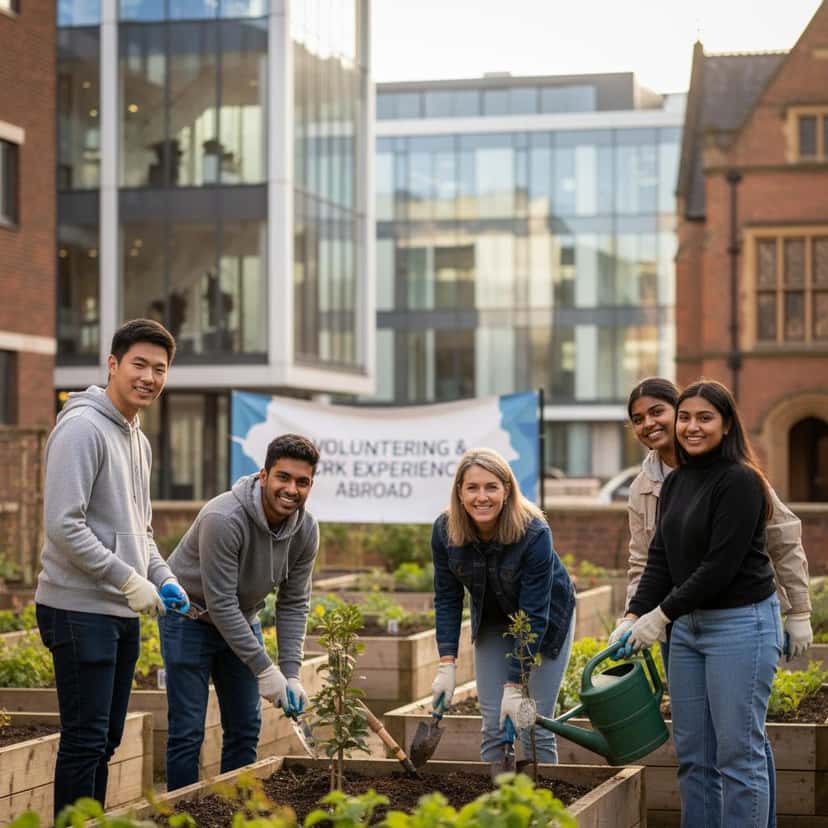
Volunteering is another important part of Exeter's student life.
Many student groups organise volunteering projects and community initiatives that give members the opportunity to make a positive contribution to the local community.
Why Volunteer?
Volunteering helps students:
Make a difference
Gain practical experience
Develop transferable skills
Meet new people
Enhance their CV
The skills and experience gained through these activities can strengthen applications for internships, graduate roles, and future career opportunities.
Common Volunteering Activities
Students may participate in:
Community outreach projects
Charity fundraising
Environmental initiatives
Educational support programs
Social impact campaigns
Volunteering allows students to develop both personal and professional skills while contributing to meaningful causes.
Personal Growth Through Service
Many students report that volunteering improves:
Confidence
Leadership abilities
Problem-solving skills
Communication skills
Community awareness
These benefits often continue long after graduation.
Not sure which scholarship fits you? Get a Free Consultation with our UK Education Experts.
Leadership Development Through Student Activities
Student societies offer valuable opportunities to develop leadership and teamwork skills.
Many societies are led by student committees that organise events, manage activities, and support their members throughout the academic year.
Leadership Roles
Students may take on positions such as:
President
Treasurer
Secretary
Events Coordinator
Marketing Officer
These roles provide practical experience that can be highly attractive to employers.
Skills Developed Through Leadership
Managing society activities helps students improve:
Organization
Decision-making
Team management
Public speaking
Project planning
Leadership experience demonstrates initiative and responsibility, qualities valued across many industries.
Leadership Benefits Table
Leadership Skill | How Societies Help |
Communication | Running meetings and events |
Teamwork | Working with committee members |
Planning | Organizing activities |
Problem Solving | Managing challenges and decisions |
Time Management | Balancing studies and responsibilities |
Confidence | Leading projects and initiatives |
These practical experiences complement academic learning and support long-term career development.
Making Friends and Building Networks

One of the greatest benefits of joining clubs at Exeter University is the opportunity to build meaningful relationships.
Creating Friendships
Many students make their closest friends through shared activities and society events.
Joining societies provides opportunities to:
Meet people with common interests
Attend social events
Participate in group projects
Explore new hobbies together
Strong friendships can improve both wellbeing and academic success.
Expanding Professional Networks
Networking is another important advantage of society involvement.
Students often connect with:
Alumni
Guest speakers
Industry professionals
Academic staff
Fellow students
These connections may support future career opportunities.
Improving Student Experience
Active participation in Exeter student activities helps students feel more connected to the university community.
Students who engage with campus life often experience:
Greater satisfaction
Increased confidence
Improved wellbeing
Stronger support networks
University becomes more enjoyable when students participate beyond the classroom.
Tips for New Students
Starting university can feel overwhelming, particularly during the first few weeks as you adjust to a new environment.
The following tips can help you get involved, meet new people, and make the most of university life from the beginning.
Join Early
Attend welcome events and society fairs at the beginning of the academic year.
Early participation makes it easier to meet people and discover opportunities.
Explore Different Interests
Students do not need to limit themselves to one society.
Trying different activities can help identify new interests and passions.
Stay Open-Minded
Meeting people from different backgrounds can be one of the most rewarding parts of university life.
Being open to new experiences often leads to unexpected opportunities.
Balance Activities and Academics
Societies should enhance the university experience without affecting academic responsibilities.
Effective time management helps students enjoy both.
Take Initiative
Students who volunteer for projects or committee roles often gain the most from their society experience.
Small leadership opportunities can lead to significant personal growth.
Information in this section references student engagement and extracurricular participation resources available through NACE.
To learn more about accommodation and campus life, visit our Student Accommodation and Campus Life at Exeter guide and start planning your Exeter journey today.
Support for Bangladeshi Students Through SGE
Starting university in a new country is about more than academics. Building friendships, joining student communities, and adapting to campus life are all important parts of a successful university experience.
Shabuj Global Education (SGE) helps Bangladeshi students prepare for life at the University of Exeter by providing guidance before they begin their studies.
Our support includes:
University and course selection guidance
Application and admission assistance
Scholarship advice
UK student visa support
Pre-departure preparation
Guidance on student life and settling into the UK
By understanding what to expect before arrival, students can feel more confident about joining societies, participating in campus activities, and making the most of their university experience.
Contact SGE today and take the first step toward an exciting student life at Exeter.
Get Involved and Thrive
Joining Exeter student societies is a great way to make the most of your university experience. Whether you join academic groups, cultural societies, volunteering projects, or special interest clubs, you'll have the opportunity to develop valuable skills, meet like-minded people, and build lasting friendships.
Ready to start your UK journey? Fill out our form and let’s begin your application.
Explore more
Frequently Ask Question


.png&w=256&q=60)