Academic Quality Assurance | Study Abroad – UK
Sustainability Research Initiatives at Exeter
2 minutes of reading time
Explore how sustainability research addresses climate change, renew...
Summary
Explore how sustainability research addresses climate change, renewable energy, biodiversity, Net Zero, and green innovation while preparing students for careers in a more sustainable future.
Apply for a UK Scholarship with Expert Guidance – Contact Us Today
Protecting the planet requires innovative ideas, scientific research, and long-term action. The sustainability research initiatives at Exeter bring together researchers, students, and partners to address environmental challenges, develop practical solutions, and support a more sustainable future.
From achieving Net Zero goals to protecting biodiversity and advancing renewable energy, the University of Exeter has made sustainability a central part of its research and campus activities.
How Exeter Supports Sustainability Research
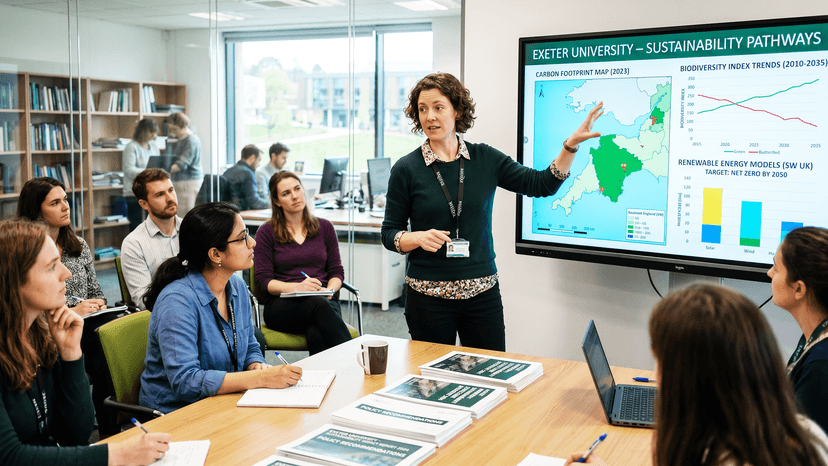
The sustainability research initiatives at Exeter are organised around major environmental priorities that contribute to global sustainability. Rather than focusing on a single area, the University encourages collaboration across different disciplines to develop practical solutions for environmental issues.
Key focus areas include:
Net Zero research
Environment and Sustainability Institute
Biodiversity conservation
Renewable energy
Circular economy
Climate adaptation
Sustainable campuses
Green innovation
These initiatives help researchers understand environmental challenges while developing solutions that can benefit communities worldwide.
Read more:Research and Innovation at the University of Exeter
Environment and Sustainability Institute

The Environment and Sustainability Institute (ESI) is a leading research institute at Exeter, focused on addressing major environmental and sustainability challenges. It brings together researchers from different disciplines to develop sustainable approaches to natural resource management and better understand the impacts of environmental change.
Its work supports research into:
Sustainable resource management
Environmental resilience
Natural ecosystems
Climate adaptation
Sustainable development
By encouraging interdisciplinary collaboration, the ESI helps generate knowledge that supports more sustainable communities and ecosystems.
Thinking about studying in the UK?
Not sure which scholarship fits you? Get a Free Consultation with our UK Education Experts.
Net Zero, Renewable Energy, and Climate Adaptation
Achieving Net Zero has become one of the University's major sustainability priorities.
The sustainability research initiatives at Exeter explore ways to reduce greenhouse gas emissions while supporting the transition to cleaner energy systems.
Research areas include:
Sustainability Area | Research Focus |
Net Zero | Reducing carbon emissions and supporting long-term sustainability goals |
Renewable Energy | Developing and improving clean energy solutions |
Climate Adaptation | Helping communities respond to changing environmental conditions |
Low-Carbon Systems | Supporting sustainable infrastructure and energy use |
These initiatives contribute to national and international efforts to create a more sustainable future while improving resilience to climate change.
Biodiversity and Protecting Natural Environments
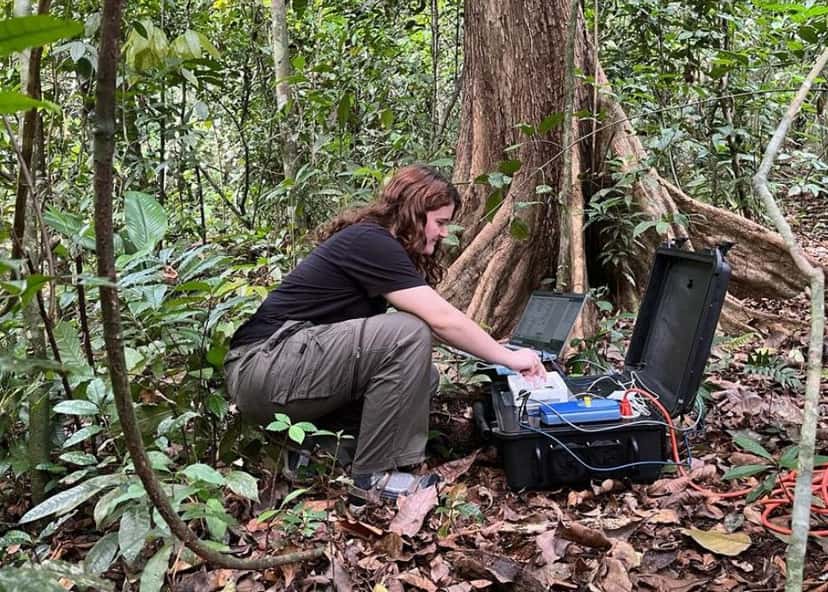
Healthy ecosystems are essential for protecting wildlife, supporting food production, and maintaining environmental balance.
The sustainability research initiatives at Exeter include extensive work on biodiversity conservation and ecosystem protection.
Researchers study topics such as:
Wildlife conservation
Ecosystem resilience
Species protection
Habitat restoration
Environmental monitoring
Sustainable land management
This research helps improve understanding of how environmental changes affect biodiversity and supports strategies for protecting natural habitats for future generations.
Circular Economy and Green Innovation

Creating a sustainable future requires reducing waste and making better use of natural resources.
The University supports research into the circular economy, where materials are reused, recycled, and managed more efficiently.
Green innovation focuses on developing sustainable approaches that reduce environmental impact while supporting long-term economic and environmental resilience.
Examples include:
Resource efficiency
Sustainable materials
Waste reduction
Recycling systems
Low-impact technologies
Environmental innovation
These initiatives encourage practical solutions that help organisations and communities move towards more sustainable practices.
Sustainable Campuses and Everyday Action
Sustainability is not only reflected in research projects but also in how the University manages its campuses.
The sustainability research initiatives at Exeter are supported by campus activities that encourage responsible environmental practices.
Examples include:
Energy efficiency
Sustainable travel
Waste reduction
Responsible resource use
Biodiversity enhancement
Environmental awareness
These initiatives help make sustainability an integral part of university life, while giving students opportunities to get involved through projects, volunteering, and campus-based activities.
Why Sustainability Research Benefits Students
Students studying at Exeter become part of a university that actively contributes to solving environmental challenges.
Benefits include:
Learning from leading sustainability researchers
Access to interdisciplinary research projects
Exposure to real-world environmental challenges
Opportunities to develop sustainability knowledge
Preparation for careers in the growing green economy
Studying within a sustainability-focused university helps students understand how research can contribute to positive environmental change.
Understanding global sustainability challenges helps students appreciate the importance of environmental research. The World Resources Institute (WRI) publishes research and practical insights on climate action, renewable energy, biodiversity, and sustainable development, making it a valuable resource for learning about global sustainability efforts.
Study at Exeter and Shape a Greener Future
If you are planning to study at the University of Exeter, Shabuj Global Education (SGE) provides trusted guidance for Bangladeshi students throughout the admission journey.
Expert Guidance
Our experienced counsellors help you choose the Exeter programme that matches your academic background and future goals.
Application Made Easy
Receive professional assistance with document preparation, application submission, and personal statement reviews to strengthen your application.
Visa & Pre-Departure Help
Get step-by-step support for your UK student visa and practical advice before travelling.
Ongoing Support
Even after enrollment, SGE continues supporting students throughout their studies and future career planning.
Bangladeshi students receive a smooth, secure, and fully guided admission experience.
Be Part of a Greener Future
The sustainability research initiatives at Exeter reflect the University's commitment to addressing environmental challenges through research, collaboration, and innovation.
From Net Zero and biodiversity to renewable energy and sustainable campuses, Exeter gives students the opportunity to learn within an environment focused on building a more sustainable future.
Ready to start your UK journey?
Explore more
Frequently Ask Question