International Student Support | Study Abroad – UK
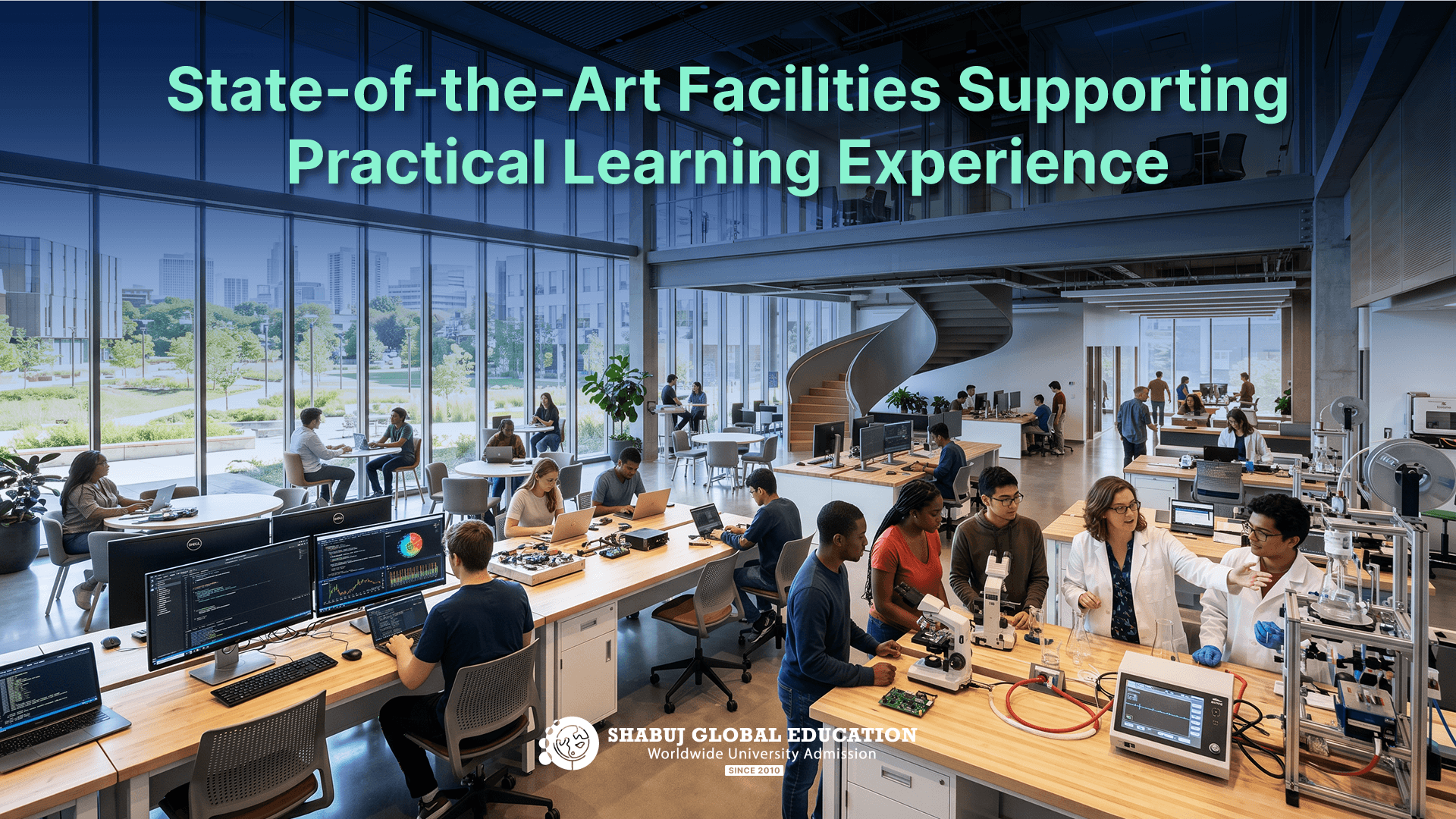
State-of-the-Art Facilities Supporting Practical Learning Experience
2 minutes of reading time
This blog explores how modern university learning facilities improv...
Summary
This blog explores how modern university learning facilities improve practical education, student engagement, and academic success. It highlights smart classrooms, collaborative learning spaces, digital technologies, hands-on resources, and innovative environments that help students build career-ready skills.
Apply for a UK Scholarship with Expert Guidance – Contact Us Today
Modern education extends beyond textbooks and lectures. Today, students benefit from interactive learning spaces, digital resources, and practical environments that promote active learning and help prepare them for real-world challenges.
The quality of university learning facilities UK institutions offer can directly influence student engagement, confidence, and academic success. Modern campuses now focus on creating environments where students can apply knowledge through hands-on experiences and technology-based learning.
Modern Campus Facilities Overview
Modern learning facilities play a key role in improving the student experience. Universities continue to invest in well-equipped academic spaces, collaborative environments, and advanced resources that support learning, teamwork, and personal growth.
A modern campus is designed to help students learn comfortably and effectively. These spaces often include digital classrooms, study areas, collaborative workspaces, libraries, and student support centers.
At Bloomsbury Institute London, students benefit from learning spaces designed to encourage engagement, collaboration, and academic growth.
Features of Modern Campus Facilities
Many universities now provide:
Smart classrooms
High-speed internet access
Digital learning systems
Group study spaces
Library and research support
Collaborative learning environments
Quiet study zones
These facilities help students stay productive and improve their overall learning experience.
Importance of a Comfortable Learning Environment
Students are more likely to succeed when they feel comfortable and supported in their learning environment. Modern campuses offer welcoming spaces that encourage focus, active participation, collaboration, and creative thinking.
Good facilities also improve communication between students and lecturers, making education more interactive and student-centered.
Flexible Learning Spaces

Modern universities increasingly use flexible learning spaces that support both individual and group learning activities.
These areas allow students to:
Work on team projects
Join discussions
Use digital tools
Participate in workshops
Study independently
Flexible learning spaces accommodate different learning preferences by providing environments that adapt to various study methods, activities, and collaborative experiences.
For more information about innovative education approaches, visit the parent page on Innovative Teaching & Learning Methods at Bloomsbury Institute.
Practical Learning Spaces and Labs

A strong practical learning environment helps students apply classroom knowledge in realistic situations. Practical learning spaces are designed to support active participation and skill development.
Why Practical Learning Matters
Students gain a deeper understanding of their subjects when they apply knowledge through practical activities. Hands-on learning builds confidence, strengthens problem-solving skills, and reinforces key concepts. As a result, modern universities create learning environments that successfully combine academic theory with real-world practice.
Examples of Practical Learning Spaces
Learning Space | Purpose |
Computer labs | Digital skill development |
Group project rooms | Team collaboration |
Interactive classrooms | Student participation |
Research spaces | Independent learning |
Presentation areas | Communication practice |
These facilities support different types of learning and help students develop workplace-ready skills.
Collaborative Learning Areas
Collaboration is an essential part of modern education. Universities provide dedicated spaces where students can work together on group projects, exchange ideas, and build teamwork and communication skills.
Collaborative environments encourage students to:
Share ideas
Improve communication
Solve problems together
Build leadership skills
These experiences prepare students for professional environments where teamwork is essential.
Independent Study Resources
Students also benefit from access to quiet and focused study spaces. Libraries and digital learning centers enable learners to complete research, assignments, and independent study more effectively.
Many universities now combine physical and online learning resources to support flexible education.
Not sure which scholarship fits you? Get a Free Consultation with our UK Education Experts.
Technology-Enabled Classrooms

Technology has transformed higher education in recent years. Universities increasingly use digital tools to improve learning experiences and increase classroom engagement.
Smart Classrooms and Digital Learning
Technology-enabled classrooms often include:
Interactive screens
Projectors
Online learning systems
Digital presentations
Virtual collaboration tools
These technologies make lessons more engaging and interactive.
Students can participate more actively through quizzes, presentations, group discussions, and online learning platforms.
Learning Management Systems (LMS)
Learning Management Systems help students access educational materials online. These systems support flexible and organized learning.
Students can use LMS platforms to:
Download lecture notes
Submit assignments
Communicate with lecturers
Track academic progress
Access recorded lessons
Digital learning systems are especially useful for international students adapting to university life.
Supporting Different Learning Styles
Technology enables universities to support visual, auditory, and practical learners more effectively.
Some students learn best through videos and presentations, while others prefer interactive activities or hands-on practice. Modern classrooms offer multiple learning options that enhance student understanding.
Blended Learning Approaches
Many universities now combine classroom teaching with online learning resources. This blended learning approach increases flexibility and supports student independence.
At Bloomsbury Institute Facilities, students have access to modern learning environments designed to support practical and interactive education.
According to UK Government Higher Education Guidance, higher education institutions continue investing in modern educational resources and digital learning support to improve student outcomes.
How Facilities Improve Hands-On Learning
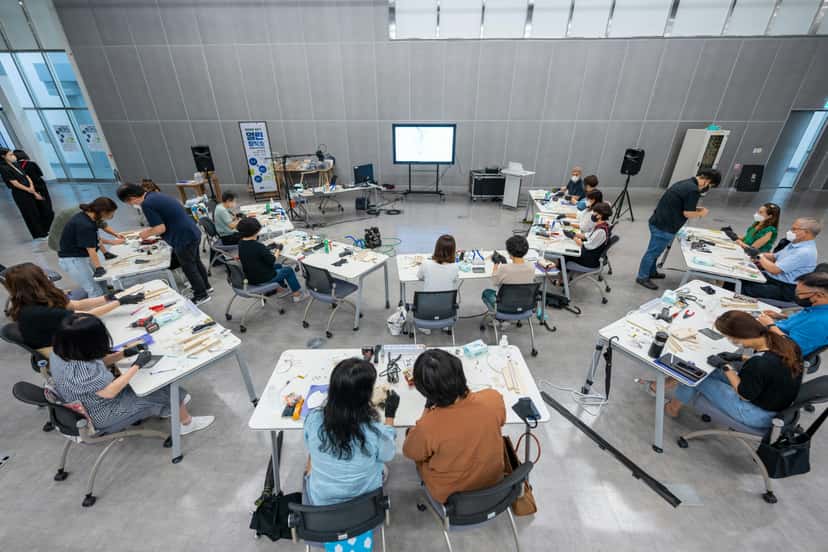
The quality of hands-on education resources can significantly affect student success. Students gain stronger practical skills when they learn in environments designed for active participation.
Better Understanding Through Practice
Students often understand concepts more clearly when they apply them in practical situations.
Hands-on learning allows students to:
Solve real problems
Practice technical skills
Improve communication
Build teamwork abilities
Develop confidence
This approach makes learning more meaningful and easier to remember.
Increased Student Engagement
Modern facilities encourage students to participate more actively during lessons. Interactive classrooms and collaborative spaces make learning more enjoyable and engaging.
Students are more motivated when they can interact with technology, classmates, and practical activities instead of only listening to lectures.
Career Preparation and Employability
Employers increasingly value graduates with practical experience and workplace-ready skills.
Modern learning facilities help students prepare for careers by supporting:
Problem-solving
Teamwork
Communication
Digital literacy
Professional confidence
A strong practical learning environment helps students become more prepared for future employment opportunities.
Supporting Academic Success
High-quality learning facilities also contribute to academic success. Students achieve better outcomes when they have access to well-organized study spaces, technology resources, and collaborative learning environments.
Universities that invest in student-focused facilities often create stronger overall educational experiences.
For more information visit: Innovative Teaching & Learning Methods at Bloomsbury Institute.
Support for Bangladeshi Students Through SGE
Bangladeshi students planning to study in the UK often need trusted support during the admission process.
Shabuj Global Education (SGE) is the Official Exclusive Partner of Bloomsbury Institute London and provides complete admission guidance for students from Bangladesh.
SGE Services Include
Free application support
Guidance on program selection
Documentation assistance
University communication support
Pre-CAS interview preparation
Visa assistance
Step-by-step admission guidance
This support helps students complete the UK university application process safely and confidently.
Students also receive help understanding course options, preparing documents correctly, and adapting to international education requirements.
Final Thoughts
Modern learning facilities play a vital role in creating engaging, practical, and career-focused educational experiences that promote student success. Universities that invest in technology, collaborative spaces, and hands-on learning environments help students build stronger academic and professional skills.
Ready to start your UK journey? Fill out our form and let’s begin your application.
Explore more
Frequently Ask Question



.png&w=256&q=60)