Study Abroad – UK
Industry Partnerships Providing Real-World Learning
2 minutes of reading time
This blog explores how industry partnerships enhance the student ex...
Summary
This blog explores how industry partnerships enhance the student experience by providing internships, hands-on projects, and practical learning opportunities that help bridge the gap between academic study and professional careers.
Apply for a UK Scholarship with Expert Guidance – Contact Us Today
Education is changing fast. Today, students need more than lectures; they need real experience before they graduate.
Industry partnerships in education make this possible by connecting universities with real businesses.
This blog explains how these partnerships create practical learning opportunities, from internships to live projects, and why they are essential for career success.
Why Real-World Learning Matters During University

Many students still assume that learning happens mainly in lectures, but that view is increasingly outdated.
Today, universities that focus on industry partnerships in education give students something more valuable. They provide real experience while studying.
At Bloomsbury Institute London, learning goes beyond theory. Students do not just study concepts. They apply them in real situations through structured industry exposure.
This is what defines a true real world learning university.
How Industry Partnerships Work in Practice
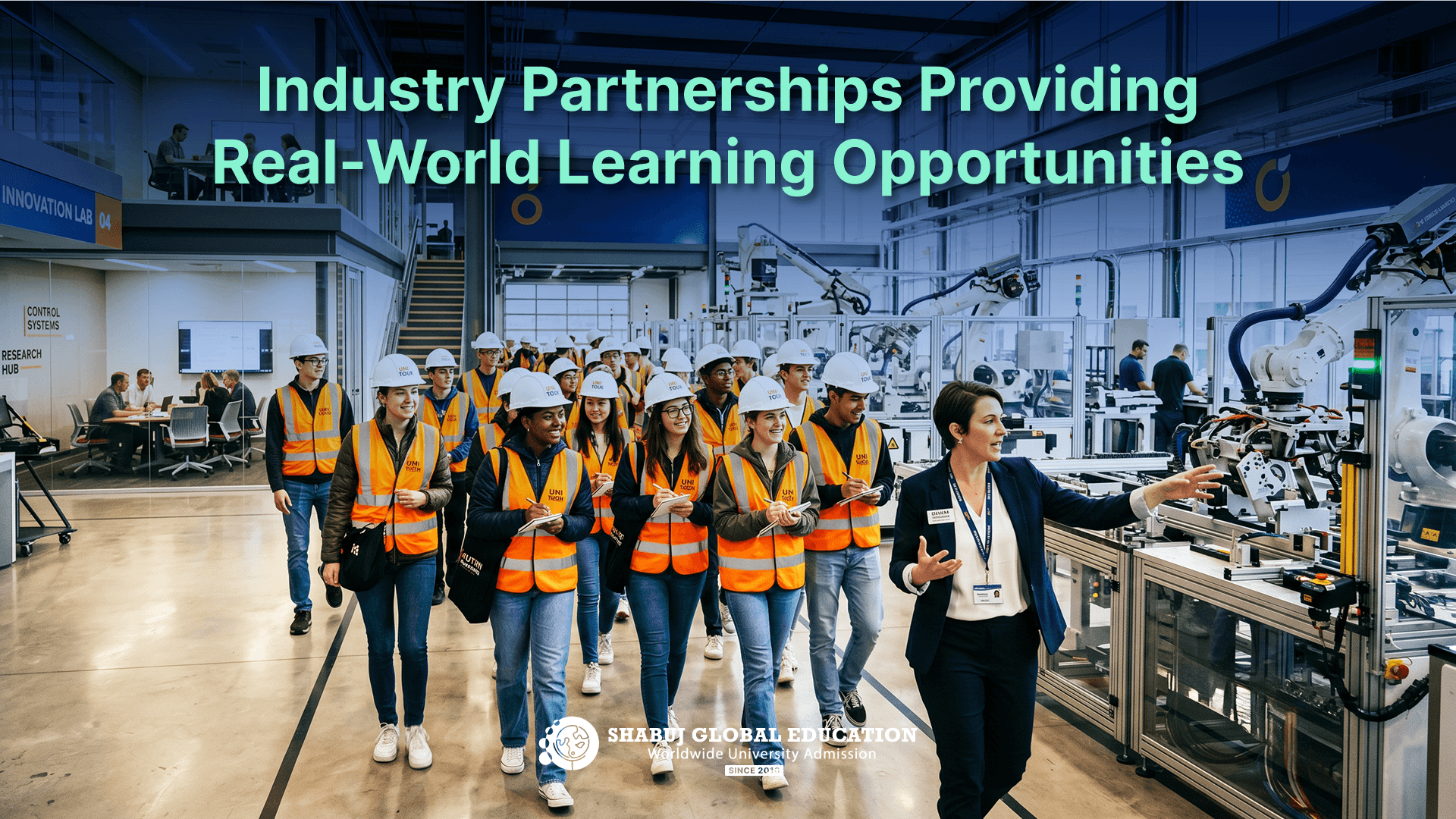
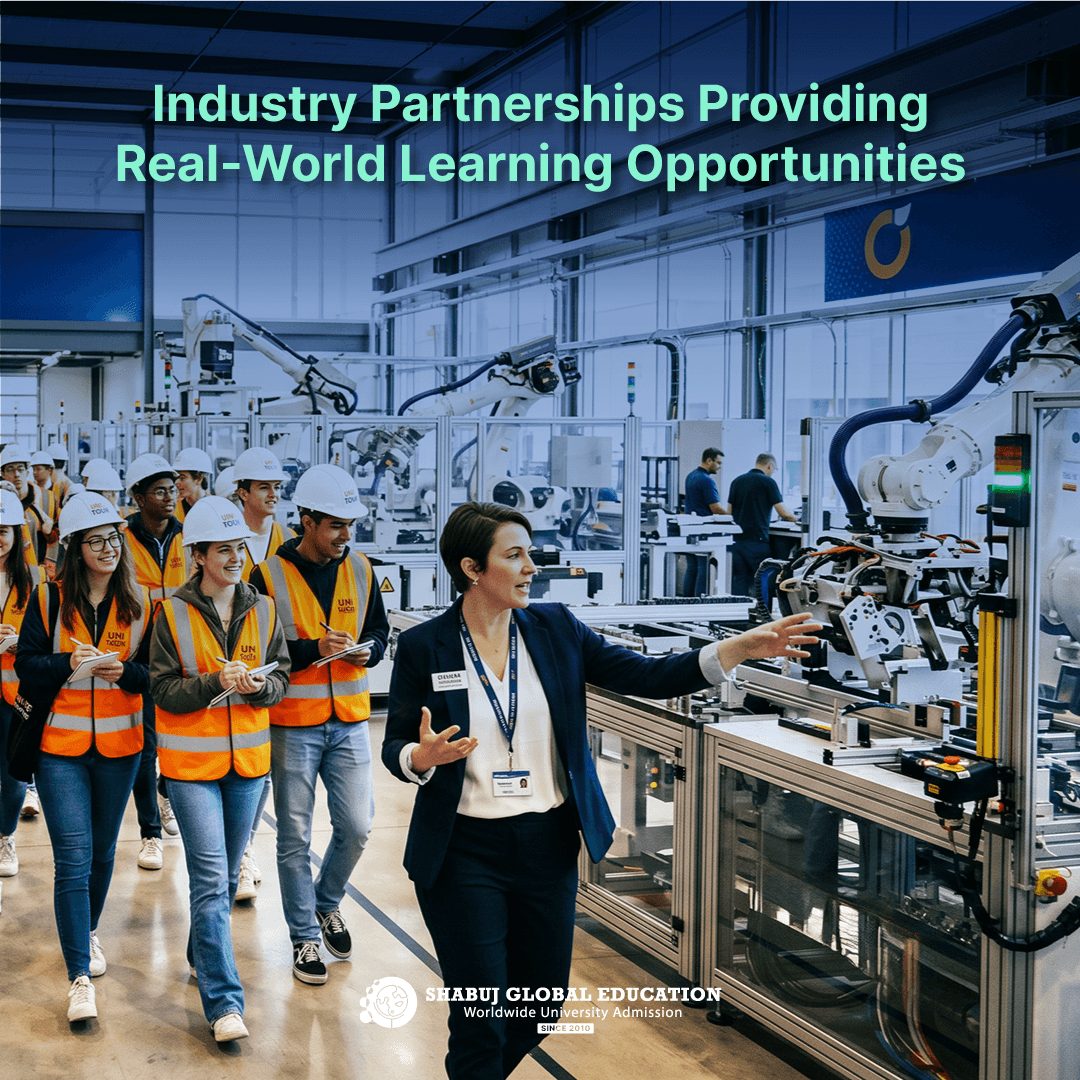
Industry partnerships are not random guest sessions or optional activities. They are built into the academic experience.
Students engage with industry through:
Structured internship opportunities
Real business projects
Industry-led teaching sessions
Practical assignments based on real scenarios
This approach ensures students develop skills during their degree instead of waiting until after graduation.
Internship Opportunities That Build Real Skills

Internships are one of the most direct ways for students to gain real-world experience.
Through internship opportunities university programs, students:
Work in professional environments
Understand expectations early
Learn workplace communication
Apply academic knowledge to real tasks
These experiences are part of a structured learning process.
Students do not need to guess what a workplace looks like. They experience it directly.
Live Projects That Replace Traditional Assignments
Traditional assignments often do not reflect real-world challenges.
That is why live projects matter.
At Bloomsbury Institute London, students work on:
Real business case studies
Practical problem-solving tasks
Projects aligned with industry needs
Presentations evaluated using professional standards
Students are not just writing answers. They are solving real problems.
Learning Directly from Industry Professionals
Another key part of industry collaboration in education is direct interaction with professionals.
Guest lectures and industry sessions provide:
Insights into current trends
Real-life challenges and solutions
Practical advice based on experience
Exposure to professional thinking
This keeps learning relevant and current.
What Practical Exposure Actually Develops
Practical exposure helps students develop specific and valuable skills.
Students develop:
Problem-solving ability in real situations
Confidence in professional environments
Communication skills with industry professionals
Adaptability when facing real challenges
This is where career readiness programs begin. It happens during study, not after.
Real-World Learning vs Traditional Study
Learning Element | Traditional Approach | Industry Partnerships in Education |
Assignments | Theoretical | Real-world tasks |
Experience | Limited | Continuous exposure |
Skill Development | Academic only | Practical and academic |
Industry Interaction | Minimal | Regular |
Confidence | Low in real settings | High through experience |
This difference explains why the real world learning university model is becoming essential.
Not sure which scholarship fits you?
Get a Free Consultation with our UK Education Experts.
How Bloomsbury Institute Delivers This Experience
At Bloomsbury Institute London, industry partnerships are part of course design.
Students benefit from:
Practical learning embedded in modules
Real-world project work
Industry-informed teaching
Continuous exposure to professional environments
This ensures learning stays active and applied.
How This Connects to the Bigger Picture
Industry partnerships focus on learning through experience.
Once students build real-world skills, the next stage is understanding how these skills connect to professional environments.
For a full overview, explore:
Powerful Partnerships Expanding Educational Opportunities
External Perspective on Industry Collaboration
According to UNESCO, integrating real-world learning into education improves student engagement and prepares learners for modern challenges.
Support for Bangladeshi Students via SGE
For students in Bangladesh, applying to UK institutions can feel complex. Shabuj Global Education provides structured support.
As the official exclusive partner of Bloomsbury Institute London, SGE offers:
Free application support
Guidance on choosing the right program
Help with documentation and communication
Pre-CAS interview preparation
Visa assistance
Step-by-step admission guidance
This ensures a smooth and secure admission process.
What You Should Look For in a Real-World Learning University
If a university claims to offer practical learning, check if it includes:
Strong industry partnerships in education
Built-in internship opportunities
Real project-based coursework
Regular industry interaction
If these are missing, the learning will likely remain theoretical.
Final Takeaway
Industry partnerships in education turn learning into real experience.
They help students apply their knowledge, build confidence, and understand real-world expectations while they are still studying.
Ready to start your UK journey?
Explore more
Frequently Ask Question


.png&w=256&q=60)